
Opening your pool to find the water has turned a murky brown can throw off your entire day. Whether you’re planning a weekend with family or just looking for a quiet swim, no one wants to dip into water that looks more like iced tea than a relaxing escape. The discoloration not only looks bad, but it could also point to hidden issues beneath the surface. While brown water doesn’t always mean your pool is unsafe, it’s definitely a sign that something’s out of balance.
If you’re in Corpus Christi and dealing with this kind of issue around early September, you’re not alone. This time of year, late summer heat and rain can mess with water chemistry and bring contaminants into your pool. Brown water is usually a sign of metal buildup, algae, or organic debris. Finding the right cause and knowing what to do next saves a lot of time and stress, and it helps protect your pool from long-term damage.
Common Causes of Brown Pool Water
When pool water turns brown, it’s not something that just happens without reason. There are specific causes behind the change in color, and spotting them early can help you fix the issue before it gets worse.
Here are a few of the most common reasons:
- Iron or Other Metals in the Water: Water with high metal content, usually iron, can turn brown when the metals oxidize. This often happens after shocking the pool or changing the water source. If you recently filled the pool with well water or city water high in minerals, that could be the reason.
- Decaying Organic Matter: Leaves, grass, or other debris can collect in your pool, especially after a rainstorm. As they break down in the water, they can tint it brown and upset the chemical balance. If the pool sits untouched for a few days, this brownish color can sneak up on you.
- Algae Growth: Algae isn’t always green. Some types, like mustard or brown algae, can make the pool water look dirty or yellowish-brown. These algae tend to show up during long stretches of hot weather or when chlorine levels drop.
Each of these causes brings its own set of challenges. While it’s common for Corpus Christi pools to see these kinds of issues during the transition from summer to fall, it’s important to act quickly once discoloration appears.
Immediate Steps to Take When Your Pool Water Turns Brown
Once you notice brown water in your pool, the next move is to stop it from spreading or getting worse. Ignoring the issue may damage pool surfaces and make the cleanup harder later. Taking quick action saves time, money, and stress.
Here are the first steps you should take:
- Turn off the pool system temporarily: Running your pump or filter while the water is full of contaminants might spread the problem. Pause the system until you know what you’re working with.
- Use a test kit on the water: Test the pH, chlorine, and especially metal levels. High iron or copper levels are usually behind rust-colored or brown water. Identifying the source will point you in the right direction.
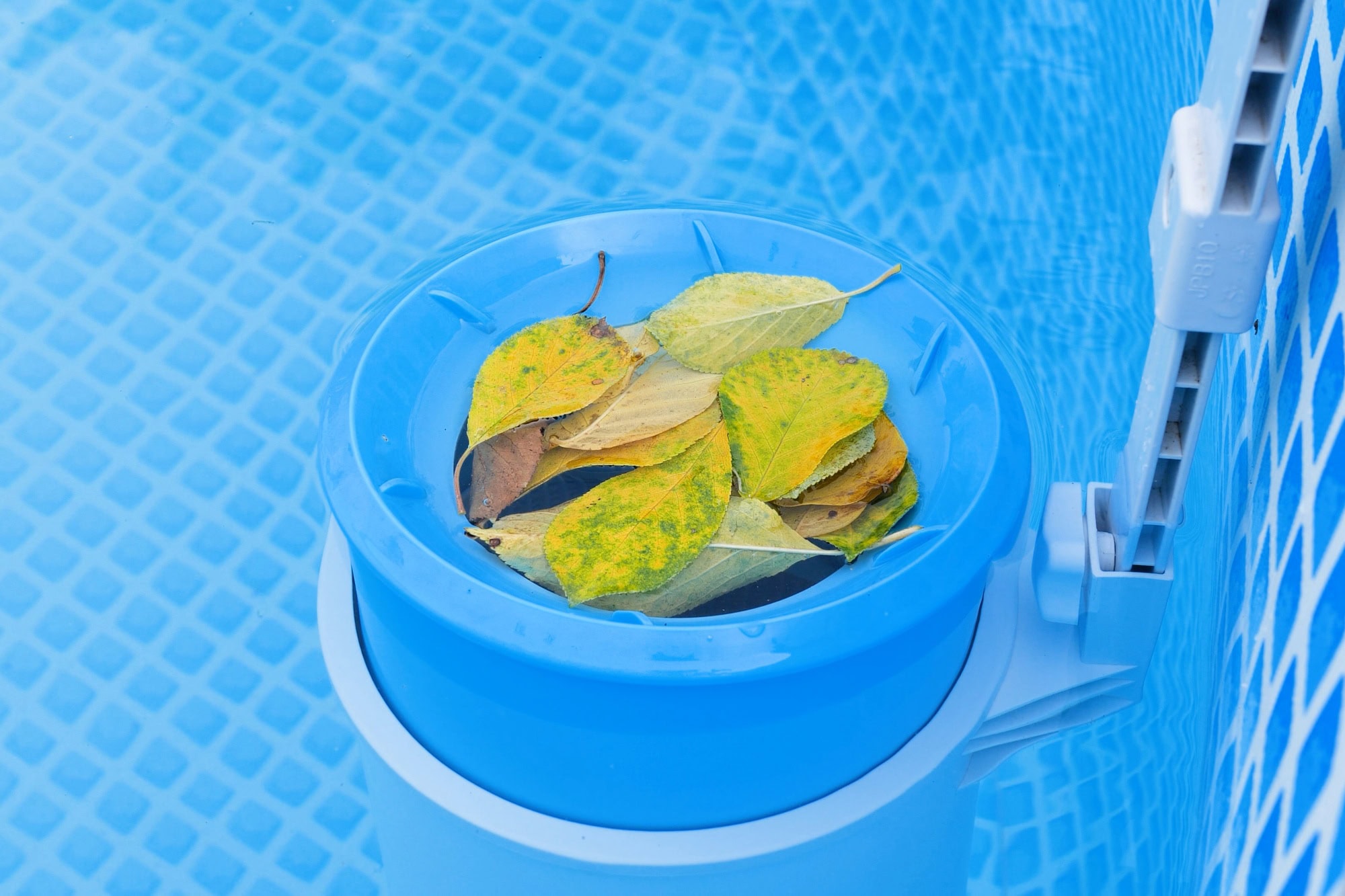
- Remove big debris with a skimmer: Leaves, bugs, or grass clippings should be skimmed out as soon as possible. The longer they sit in the water, the more they break down and add to the brown tint.
- Don’t backwash the filter just yet: Wait until you treat the water to avoid sending extra contaminants into your system. Once the treatments have done their job, then go ahead and clean out the filter.
For example, if you’ve just had a heavy rainstorm in Corpus Christi followed by intense heat, and then left the pool uncovered for a few days, you might see a dusty brown color build up. That’s a mix of yard debris and heat-related algae getting the upper hand.
Responding with these simple steps puts you in a better spot to treat the pool properly and stop the discoloration from ruining your water or damaging pool parts.
Effective Treatments for Brown Pool Water
Cleaning up brown pool water starts with figuring out what’s causing the discoloration. Once you’ve tested your water and removed the debris, you’ll need the right treatments to bring everything back into balance and keep it there.
If metals like iron or copper are the issue, the best option is to use a metal sequestrant. This product binds to the metals in the water and stops them from reacting with chlorine, which is what causes discoloration and stains. Though the metals will still need to be filtered out eventually, the sequestrant stops damage right away.
When you’re dealing with algae, especially brown algae, a shock treatment works well. Shocking the pool with chlorine helps wipe out bacteria and algae blooms. After the shock treatment, scrubbing the pool walls and steps—with a focus on shaded or hidden areas—can make a big difference.
If your chlorine levels are off across the board, now’s the time to recheck and balance every chemical. Make sure the pH, alkalinity, and cyanuric acid levels are where they should be. Unbalanced water makes your sanitizer less effective, which can leave the water cloudy or discolored even after treatment.
Treatments should follow a step-by-step method. Handle any major contaminants first, then check the chemical balance. Skipping around may fix things temporarily but usually leads to more issues down the line.
Preventative Measures to Keep Your Pool Water Clear
Once your pool is back to looking good, the goal is to keep it that way. Staying ahead of problems means doing the little things consistently, not fighting big problems after they pop up.
Here’s what to include in a regular pool care plan:
- Test your water weekly: Check for chlorine, pH, and stabilizer levels often. These numbers can shift fast, especially during heatwaves or when your pool gets a lot of use.
- Clear out debris regularly: Skim the surface and vacuum the bottom of the pool to remove leaves, grass, and bugs. The sooner you get this stuff out, the less likely it is to stain or affect the water.
- Add shock after heavy use or rain: A shock treatment now and then helps kill anything starting to grow and resets your sanitizer levels.
- Use a pre-filter or metal filter on your fill water: This tip is especially helpful in areas like Corpus Christi, where well water or even tap water can have higher metal content. Filtering the water before it enters your pool can help prevent future discoloration and staining.
- Schedule professional inspections: Having a pro check your water and equipment, especially after high-use months like late summer, can catch minor issues before they turn into major problems.
It’s tempting to only think your pool needs care when something goes wrong, but keeping up with regular maintenance makes life easier. Consistent care makes sure your water stays clean, your equipment runs well, and your weekends stay stress-free.
Keeping Brown Water From Coming Back
Brown water is something no pool owner wants to deal with, but figuring out the cause and acting quickly can make a big difference. Whether it’s metals reacting in your water or algae starting to settle in, these are problems that need early attention. Waiting only makes the cleanup tougher and more expensive, and no one wants that kind of surprise right before a pool day.
Routine care beats emergency cleanups every time. Getting expert help, using the right treatments in the right order, and doing weekly cleaning can help keep things under control. Simply put, pools do better with steady attention. A clean, well-balanced pool brings peace of mind and keeps things fun for everyone.
Keep your pool sparkling and ready for any occasion with consistent maintenance from Big Splash Pool & Maintenance. If you want to ensure your pool remains a safe and inviting oasis, explore our pool cleaning services to see how we can help maintain water quality and prevent issues before they start. Rely on our expertise to keep your pool clear and welcoming all season long.