If your pool pump starts sounding different than usual, that’s something you shouldn’t ignore. A strange noise might seem like a small annoyance at first, but it could point to a bigger problem. From rattling and grinding to humming or screeching, these sounds can be signs that the pump isn’t running the way it should. And when your pump isn’t working right, your whole pool can feel the impact. Water gets dirty faster, circulation drops, and energy use can spike.
When you’re hearing unusual noises, it’s usually a sign that your system needs attention. Summer in Corpus Christi means lots of swim time and stormy weather, both of which can take a toll on your pool equipment. Pool pumps work hard to keep everything clean, and if something’s off, it can mess with your water quality in no time. Tracking down the noise early helps you avoid bigger headaches and more expensive repairs later on.
Common Causes Of Strange Pool Pump Noises
Summer storms, high usage, and heat can all bring wear and tear to your pool equipment. If your pump starts sounding louder or just plain odd, here’s a closer look at what could be behind it.
- Debris in the impeller
When twigs, leaves, or small objects get sucked into the pump, they can block the impeller. This is the spinning part that moves water through your system. If junk is stuck in there, the motor has to work extra hard, causing grinding or vibrating sounds. It’s kind of like when a blender tries to crush a chunk of ice that won’t budge. - Air leaks or trapped air
If air is getting into your plumbing system, you might hear a high-pitched whine or gurgling. This can happen if the lid on your pump basket isn’t sealed right or if there’s a crack in your suction lines. Air pockets make the pump struggle to keep suction, which makes it noisy and less effective. - Worn motor bearings
Inside the motor, bearings help all the parts rotate smoothly. Over time, these can wear down or dry out. If your pump is screeching or grinding, it’s likely the bearings are going bad. This is more common with older pumps that have been through a few seasons already. - Cavitation
Cavitation happens when the pump is pulling more water than it’s getting. That creates lots of bubbles that implode and cause a chattering or popping sound. It usually means something’s blocking the water flow, like a clogged skimmer basket, low water level, or restrictive valve setting.
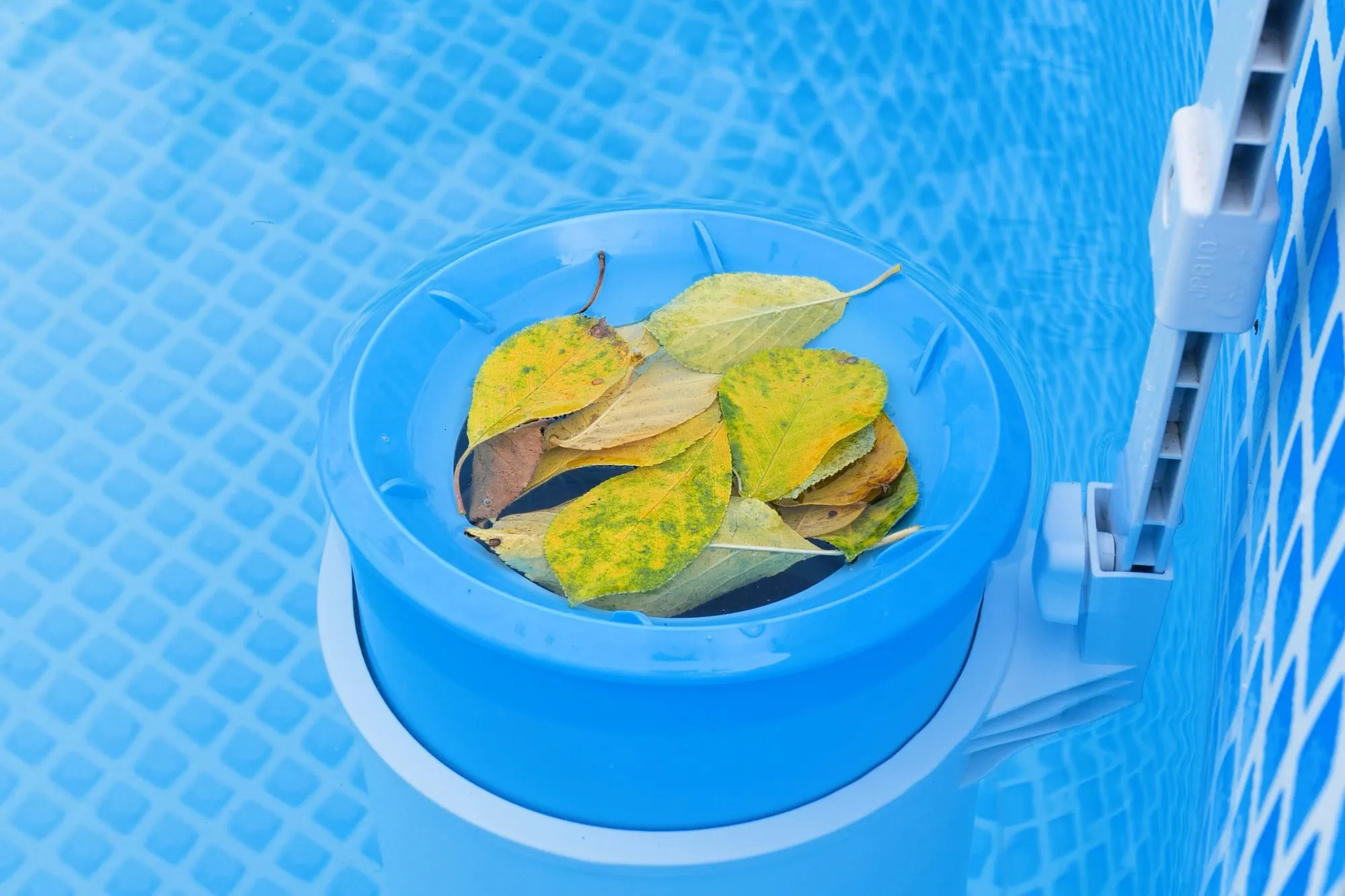
One pool owner in Corpus Christi noticed a rattling noise after a windy afternoon. A short check revealed a build-up of palm leaves blocking the skimmer, causing the pump to suck in air. Once they cleared out the basket and topped off the pool’s water, things quieted down fast.
Understanding what noise your pump is making and the likely cause puts you one step closer to fixing it fast. Next, we’ll walk through how to figure it out and handle it before it turns into a larger repair.
Steps To Diagnose And Fix Pool Pump Noises
Once you’ve identified the type of sound your pump is making, it’s time to figure out what to do about it. Pool pump problems can’t always be solved just by poking around the equipment. That said, knowing where to look can help you decide when it’s time to bring in professional help.
Start with these steps:
- Check for debris in the impeller
Turn off the pump. Open the pump cover and remove the basket. With the power off, use a flashlight to look inside the cavity behind the basket. A clogged impeller might be hard to see, but if you notice anything jammed or stuck, it’s likely the source of that grinding noise. - Inspect the pump lid and connections for air issues
A cracked or loose-fitting pump lid can let in air. Make sure the O-ring is in good condition, clean, and seated properly. Also, check all pipe fittings and joints near the suction side for signs of air bubbles or leaks. - Listen to the motor
If you hear a sharp squeal or a grinding hum, the motor bearings could be shot. You can’t replace these on your own without the right tools, so this is a job where calling a pro is the smart move. Keep in mind that running a pump with bad bearings can cause more damage. - Adjust valves and check water flow to prevent cavitation
Look at the valves leading into the pump and make sure they’re opened properly. If water flow is being restricted, your pump could be working too hard to pull in water, which causes cavitation. Also, confirm your pool’s water level is high enough. If it’s too low, air can enter the system and disrupt circulation.
If your pool is in Corpus Christi, summer heat can cause faster evaporation, which makes checking water levels more important. After a long day of swimming or a hot, windy day, water can drop quickly without you even noticing. Keeping levels steady helps your equipment stay running smoothly.
Preventing Future Pool Pump Problems
Fixing a noisy pump is one thing. Keeping it quiet long-term starts with simple care. When you work pump maintenance into your regular routine, you stay ahead of what causes those bigger problems later.
Here’s how to keep that pump humming like it should:
- Clean out the skimmer and pump basket weekly
Leaves, bugs, and debris that clog these areas put strain on the pump. It’s a quick task that prevents bigger issues from building up. - Watch water levels
Make it a habit to glance at your pool level a few times a week, especially during hot spells. The water should be high enough to fully cover the skimmer opening. Top it off when needed. - Backwash and clean filters regularly
When filters are blocked, the pump works harder to move water. Depending on your setup, you may need to clean cartridges or backwash sand or DE filters every few weeks. - Listen to the pump once in a while
You know how your pump normally sounds. Catching changes early, even small ones, can help you avoid more serious repairs. - Get a professional set of eyes on the system
Just like a yearly check-up for your AC before the Corpus Christi summer ramps up, a routine pool inspection helps spot wear before it worsens.
Small adjustments and regular attention go a long way toward preventing noisy equipment. With a smooth-running pump, you can enjoy your pool in peace through every pool party, heatwave, and late-night swim.
No More Guessing Games With Your Pool Pump
Unusual pool pump noises are more than just annoying. They’re warning signs. Whether it’s debris stuck in the impeller or a worn-out motor part, letting that noise slide can end up costing more later. A steady hum means your water’s moving like it should, your chemicals are working right, and your pool stays clear and clean.
Understanding what your pump is trying to tell you helps you know when it’s time to act. With regular care, a little awareness, and the right help when needed, you can keep your pump quiet and your pool ready for every swim day in Corpus Christi.
Keep your pool running smoothly and enjoy peace of mind knowing it’s in top shape. Discover how our pool cleaning service in Corpus Christi can make a difference. Trust Big Splash Pool Cleaning & Maintenance to handle everything from routine checks to addressing unexpected pump noises, ensuring your pool stays clean and inviting for every swim.