Clear, Sparkling Water All Summer Long
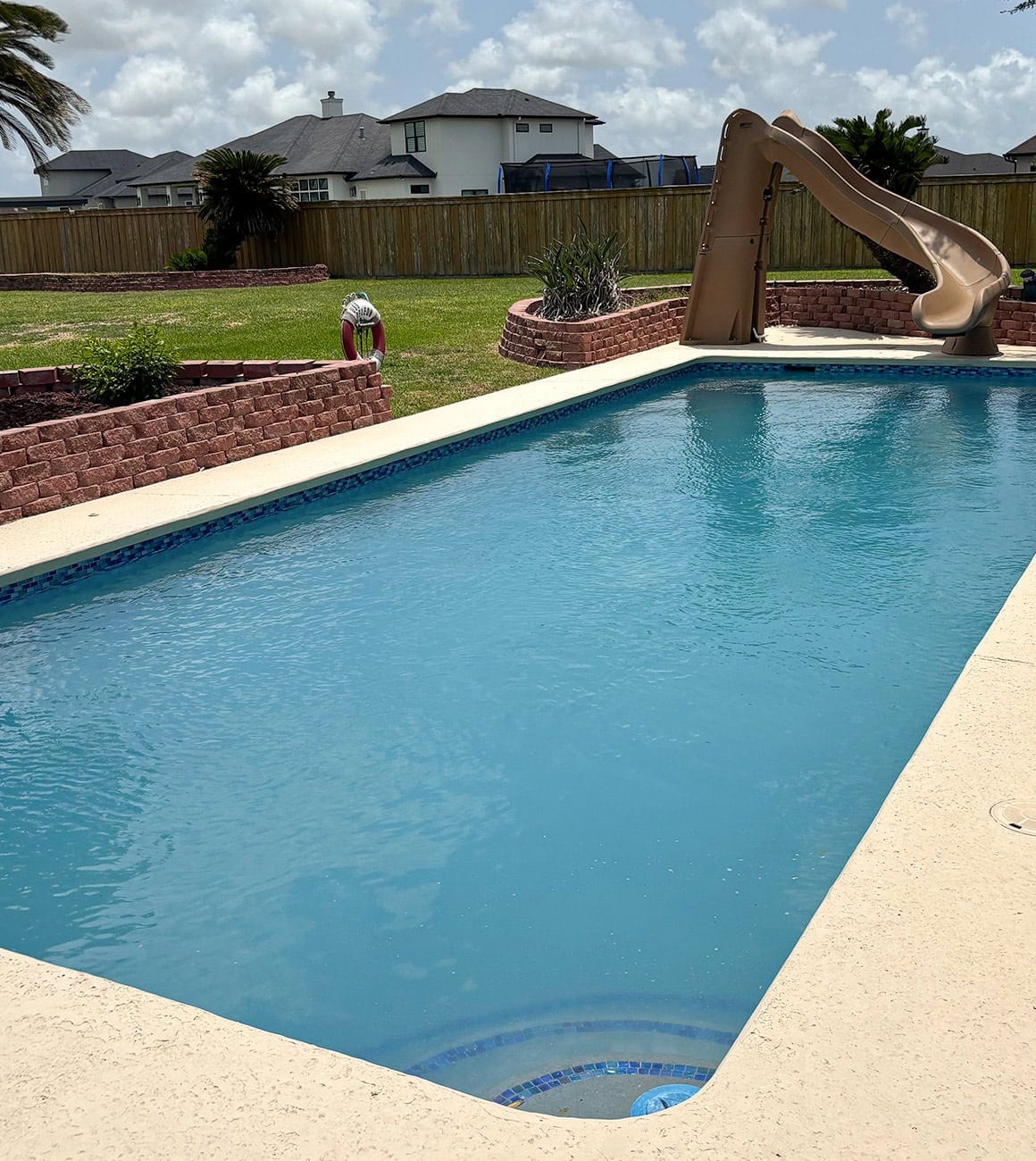
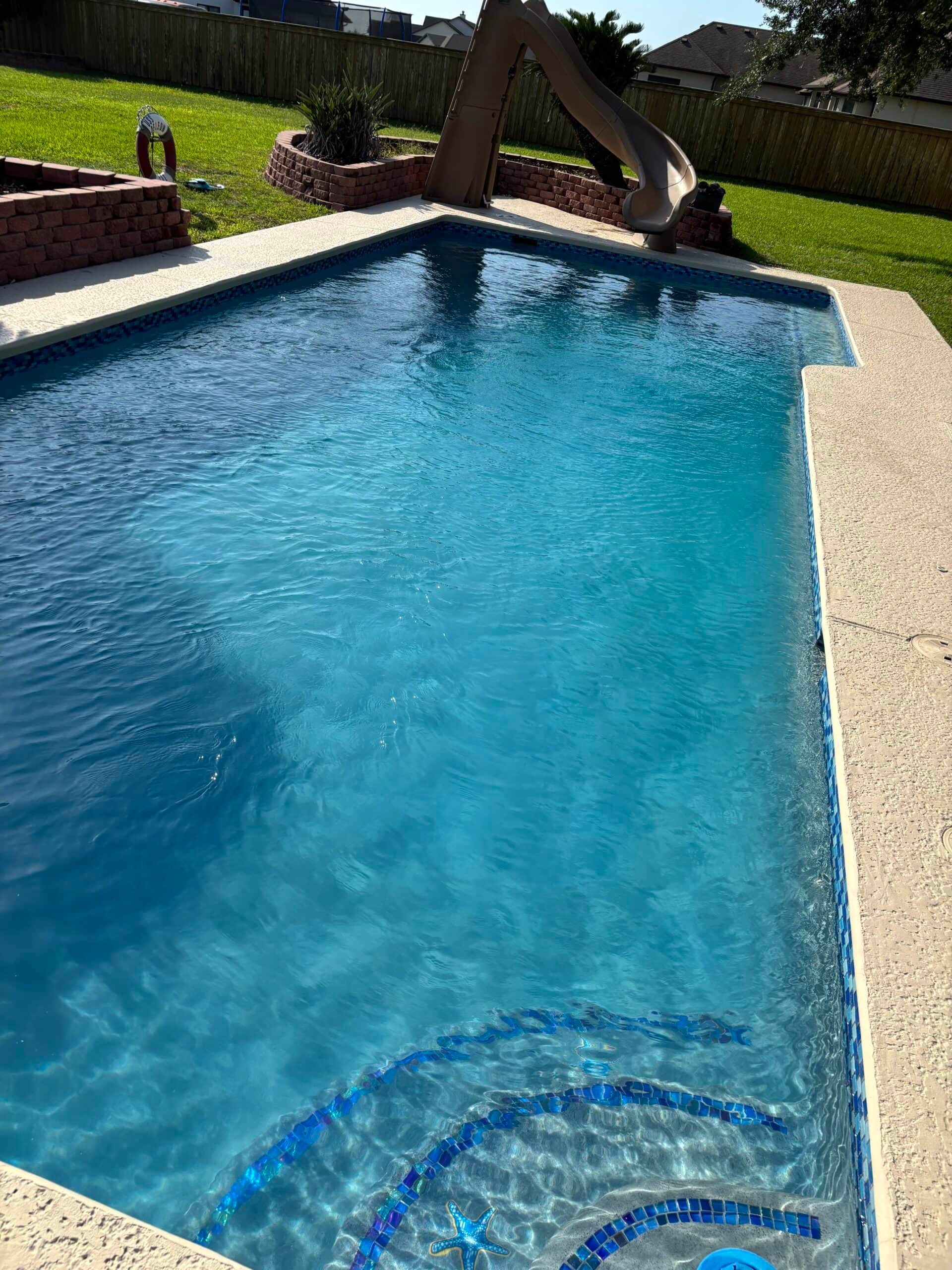
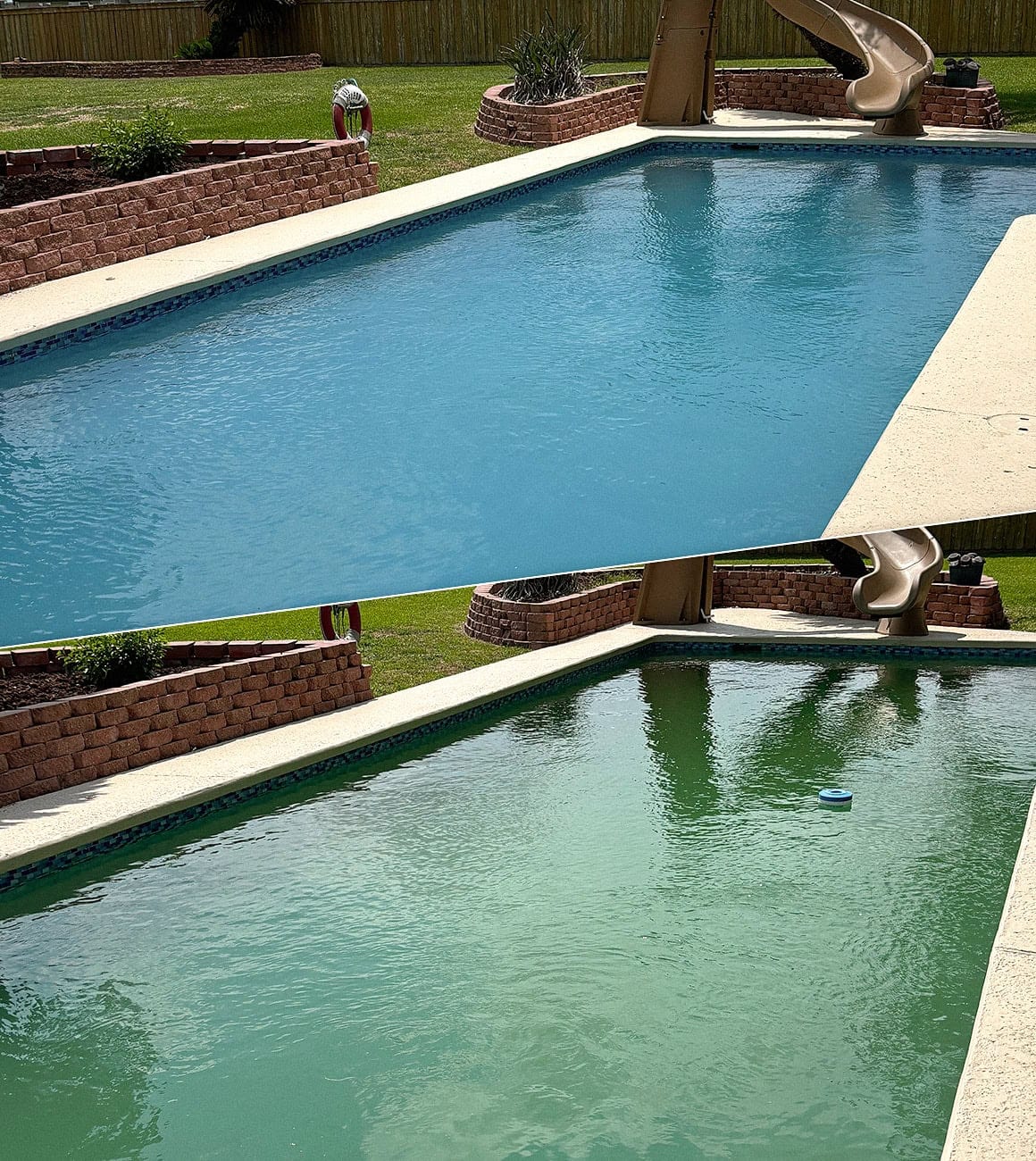
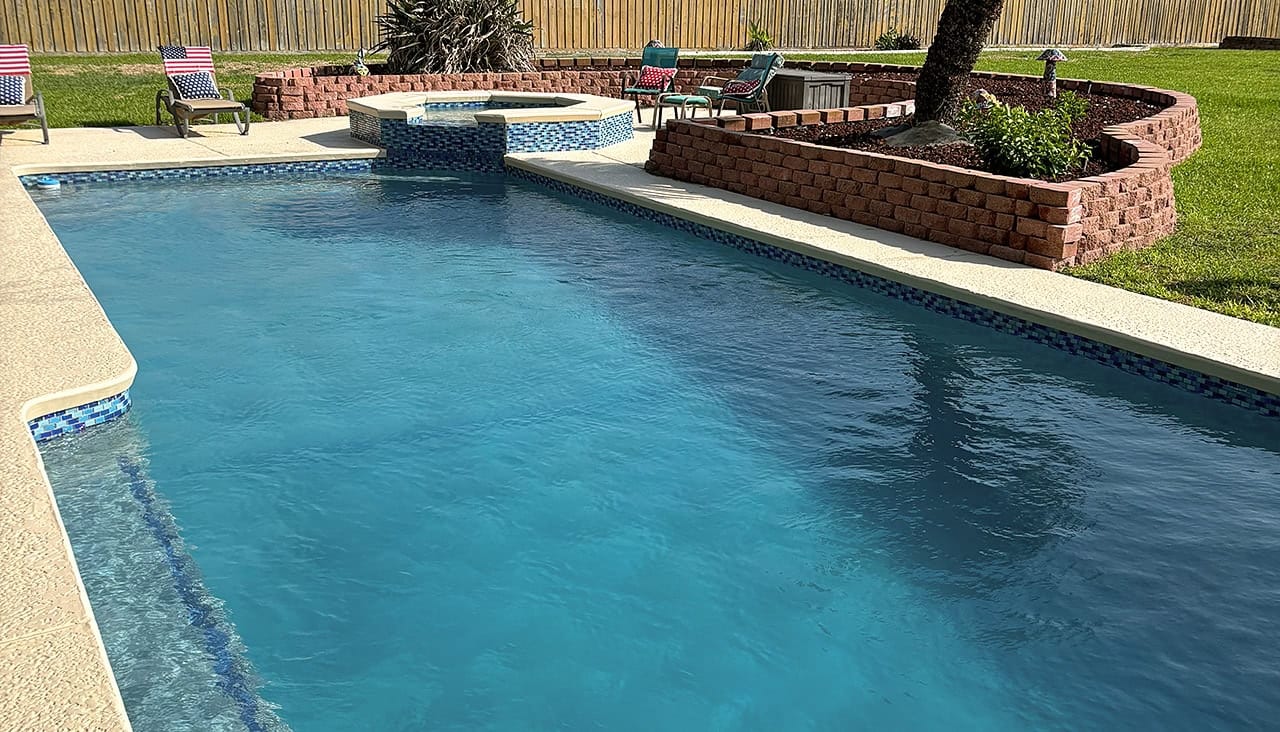
Clean, clear pool water is one of the best parts of summer. When your pool in Corpus Christi looks bright and blue, it feels safe and inviting for everyone. No strange foam on top, no cloudy patches, just clear water that makes you want to jump right in.
But during busy summer days, many pool owners start to see bubbles, fizz, or a thin layer of foam sitting on the surface. It can be hard to tell if it is just from kids splashing or if it means the water is not as healthy as it looks. Foam can be a small issue, or it can be a warning sign.
In this article, we explain what summer foam and fizz in pool water really mean, what is normal, what is not, and how good swimming pool upkeep keeps your water safe and comfortable for swimmers all season long.
Why Summer Brings Out Foam and Fizz
Summer is when your pool works the hardest. The strong Texas sun, long daylight hours, and constant use put a lot of stress on the water and the equipment. Warm water makes it easier for germs and algae to grow, so your sanitizer has to work harder.
Any time water moves fast, air can get mixed in too. You may see:
- Bubbles from pool returns
- Spray and fizz from waterfalls or fountains
- Swirls of tiny bubbles when the pump turns on
These clear bubbles usually pop within a few seconds. That is often normal and not a sign of trouble.
The bigger concern is when bubbles do not pop and instead turn into a thin, milky foam that floats across the surface. If the foam hangs around, spreads, or leaves a slick feeling on your skin, it usually means there is something extra in the water that does not belong there or that the chemicals are out of balance.
Common Causes of Foamy Pool Water
Most summer foam comes from things that seem harmless at first. Over time, though, they build up and start to act like soap in your pool.
Personal care products are a big source. When swimmers jump in, they bring a lot with them, including:
- Lotions and sunscreen
- Hair products and deodorant
- Makeup and body sprays
- Detergent and fabric softener left in swimsuits
All of these can break the surface tension of the water, just like dish soap in a sink. When the pump runs or kids splash, foam appears and stays.
Chemical issues can also cause foam. When key levels are off, the water does not behave the way it should. Common triggers include:
- Low calcium hardness
- High total dissolved solids
- Too much algaecide or other additives
When these build up, the water gets stressed and starts to foam more easily.
Then there is the organic load. That is everything natural that ends up in the pool, like:
- Sweat and body oils
- Pollen and dust
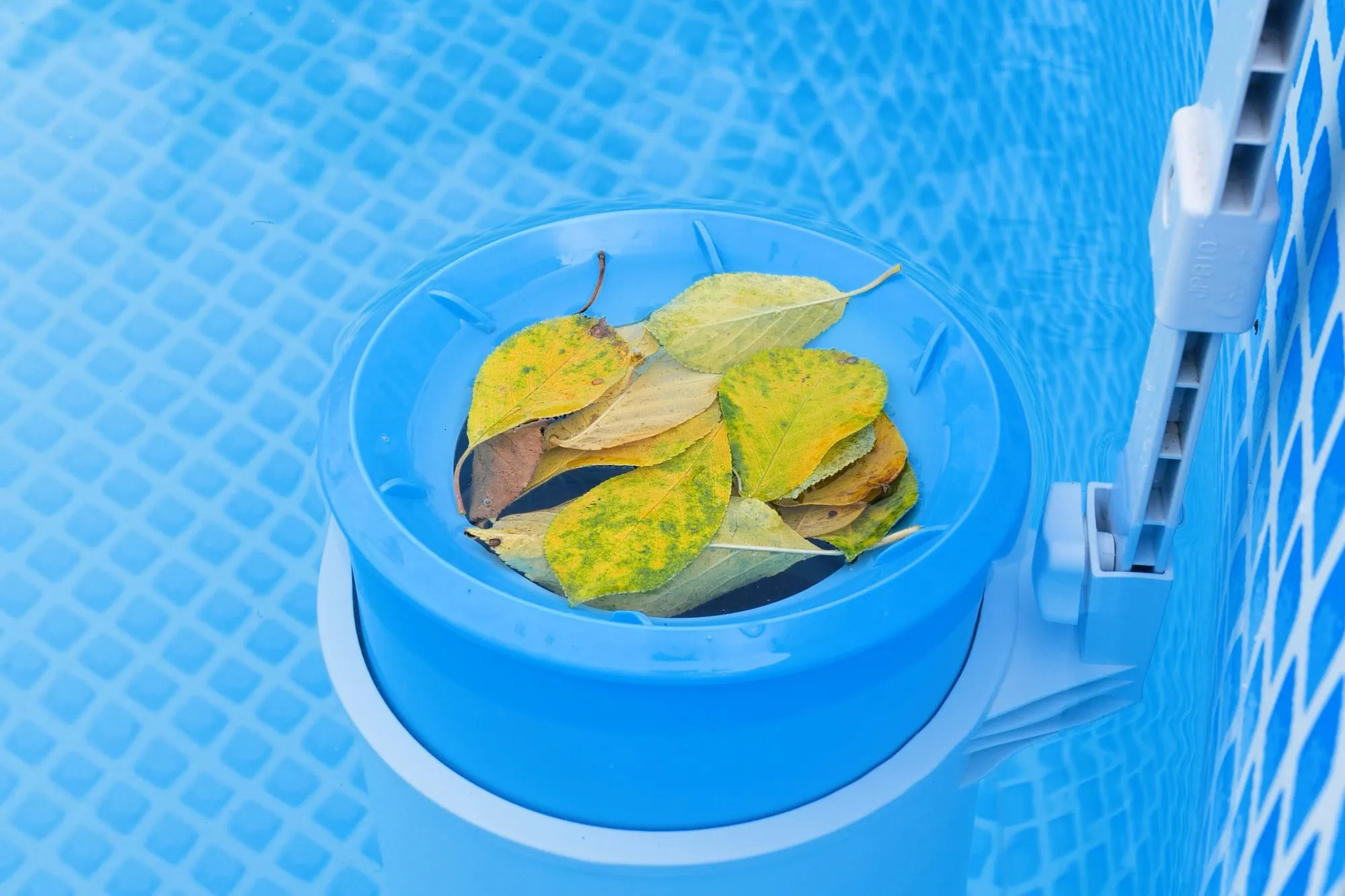
- Grass, leaves, and small debris
During summer, this load builds up fast. If sanitizer levels cannot keep up, the water can turn cloudy and bubbly. That is usually a sign that swimming pool upkeep needs more attention.
When Foam Is a Red Flag for Your Pool
Not all foam is a crisis, but it is never something to ignore. Sometimes it is one of the first clues that your water is not as clean as it should be.
From a health and comfort standpoint, foamy or fizzy water can point to low sanitizer or high levels of contaminants. That means germs have a better chance of growing. Swimmers might notice:
- Itchy or red eyes
- Dry, tight skin
- Ear or skin irritation after swimming
There are also visual warning signs that tell you it is time to pause swimming and check the water:
- Foam that does not disappear within a few minutes
- Water that looks milky, not sharp and blue
- A slick, soapy feel on skin or pool surfaces
- Strong chlorine or chemical odor
A strong chlorine smell does not usually mean too much chlorine. It often means the chlorine is tied up with contaminants and not working well.
Foam can also hint at risks for your equipment and pool surfaces. When chemical levels stay off, you can get scale or stains on tile and plaster. Filters and pumps can struggle with the extra load, which can shorten their life if the problem keeps coming back.
DIY Fixes to Restore Clear Water Fast
When foam shows up, it can be tempting to toss in a quick product and hope it goes away. That often only hides the symptom instead of fixing the cause. A better first step is always testing.
Key tests to run include:
- Chlorine or other sanitizer level
- pH and total alkalinity
- Calcium hardness
- Stabilizer level
Once you know where the water stands, you can take simple cleanup steps that make a big difference. Focus on basics like:
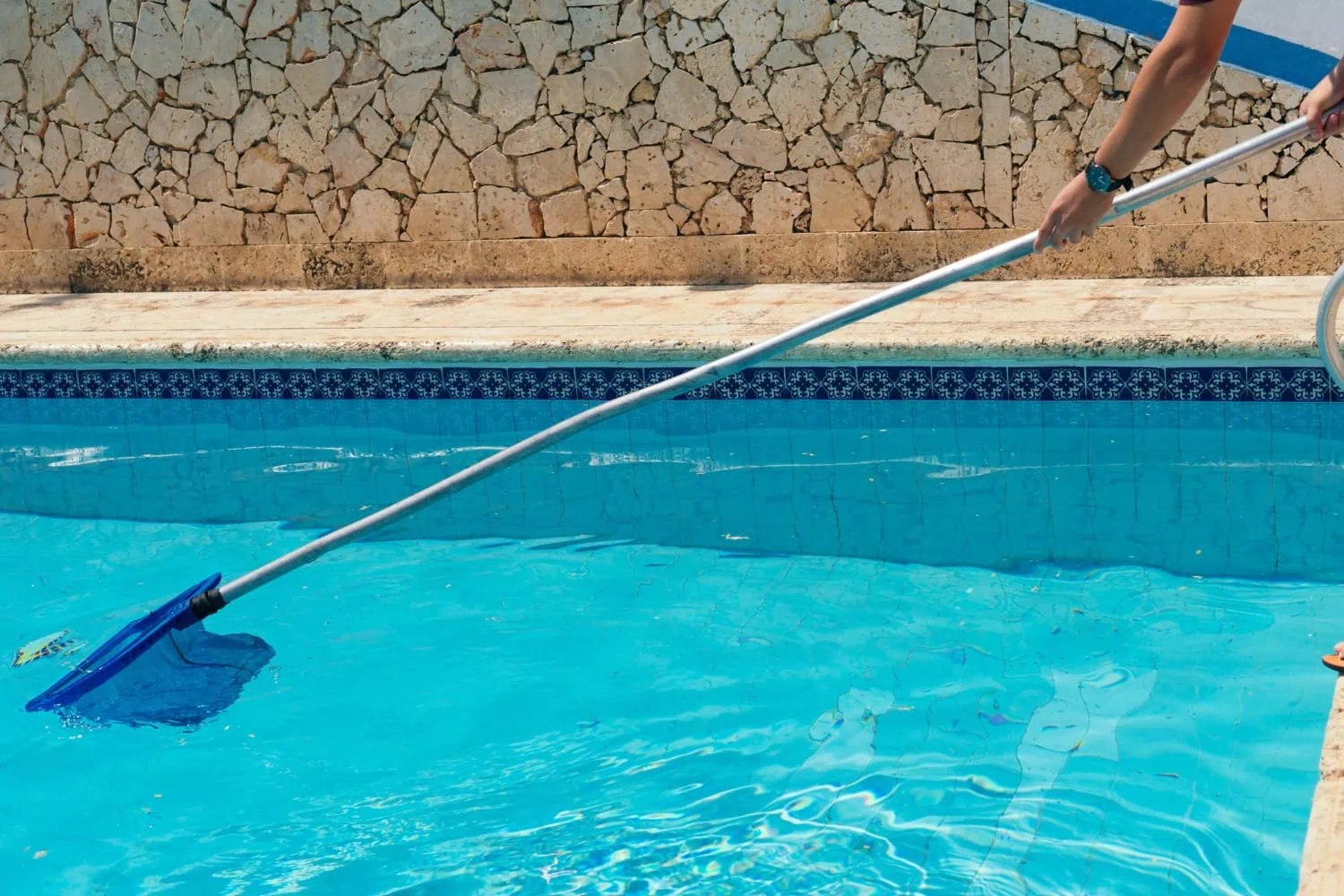
- Skimming the surface to remove bugs, leaves, and foam
- Vacuuming the pool floor
- Cleaning skimmer and pump baskets
- Brushing walls, steps, and tile
- Running the pump longer so the filter can clear more water
After that, you can use targeted treatments very carefully. This might include adjusting chemicals to bring the water into balance, or using a clarifier or foam reducer as directed on the label. Filters may need a good backwash or a full cleaning to remove the buildup that feeds foam and cloudiness.
If foam returns quickly after these steps, that is usually a sign that the problem is deeper and needs professional support.
Smart Summer Habits to Prevent Pool Foam
The best way to deal with foam is to stop it before it starts. A few smart habits during summer can keep your water clearer, longer, and help your system stay ahead of heavy use.
Set up simple pre-swim routines, like:
- Quick body rinse or shower before getting in
- Fresh, well-rinsed swimsuits with less detergent residue
- Lighter use of heavy lotions and sprays right before swimming
These steps reduce soaps and oils that turn into foam.
Then look at your summer schedule for the pool. When the pool is used more, it usually needs more care too. Helpful habits include:
- Running filtration longer each day during peak use
- Planning regular shock treatments
- Brushing walls, steps, and benches at least once a week
For maintenance best practices, it helps to:
- Clean or backwash filters on a regular schedule
- Check for small air leaks in pump lids, fittings, and connections
- Avoid overusing algaecides or specialty chemicals that list foaming as a side effect
These small routines support better swimming pool upkeep, especially in our warm coastal climate where pools see action almost all year.
When to Call in Professional Help
Sometimes foam is stubborn. If you clear it up and it comes right back, if the pool smells strong even when tests look normal, or if the water keeps turning cloudy, it is usually time for expert help.
Professional service can take a close look at the whole system, not just the surface foam. That includes detailed water testing, custom chemical balancing for our local conditions, deep cleaning, and a careful check of pool equipment to catch issues early.
In the Corpus Christi area and nearby coastal communities, Big Splash Pool Cleaning & Maintenance focuses on helping pools stay clear, safe, and ready for summer fun. With steady, expert care, foam and fizz become short-term guests instead of long-term problems, and your pool stays the bright, sparkling centerpiece of your backyard or property.
Enjoy Crystal-Clear Water With Professional Care
Make it easy to relax by the pool while we handle the details that keep your water clean, safe, and inviting. At Big Splash Pool Cleaning & Maintenance, we tailor our service plans to your schedule and your pool’s specific needs. Explore how our expert swimming pool upkeep can reduce hassle, prevent costly repairs, and keep your backyard ready for fun all season long. Reach out today so we can put a dependable maintenance routine in place for your pool.