Stop Algae From Taking Over Your Corpus Christi Pool
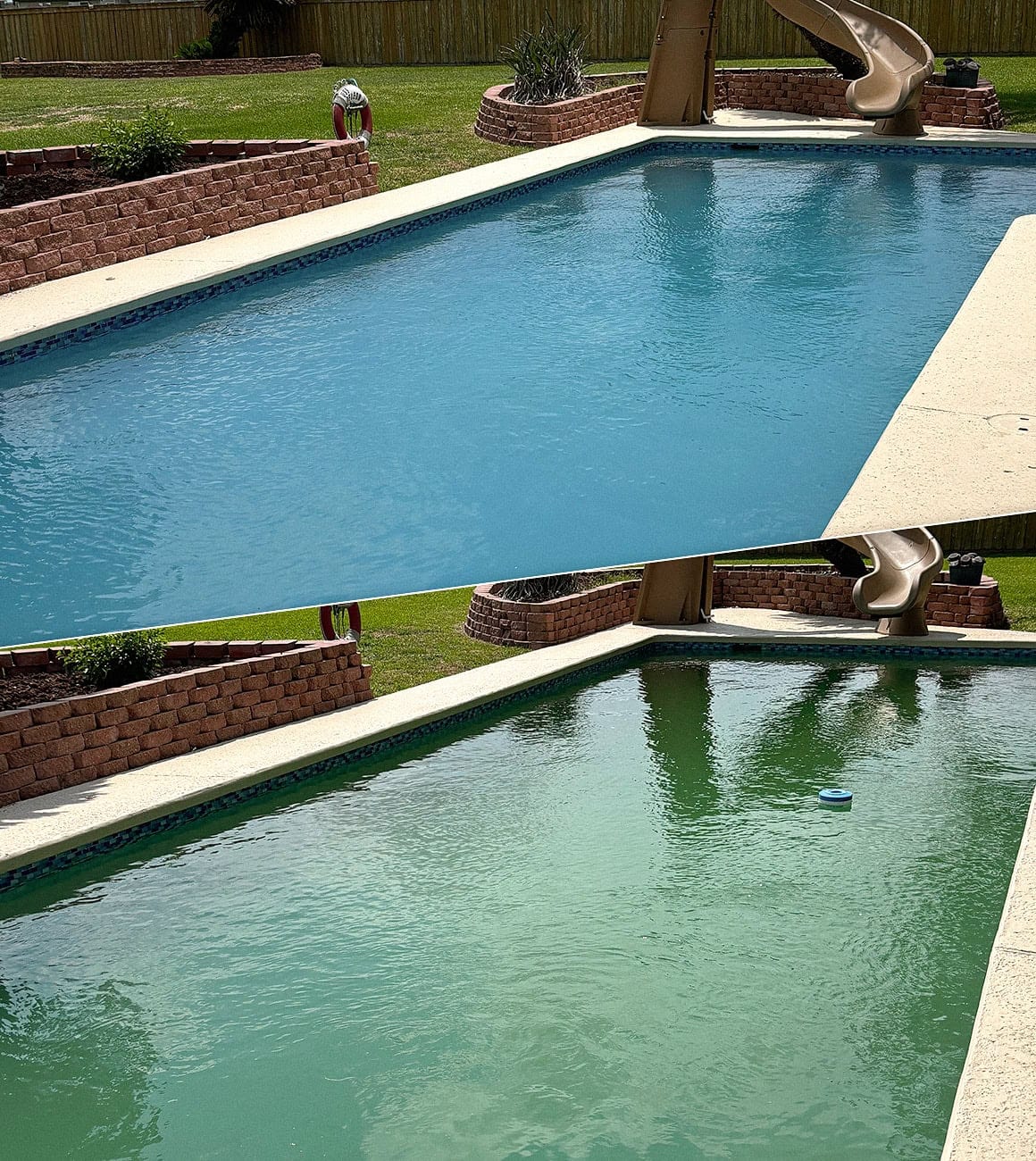
Pool algae removal gets tricky fast in the Corpus Christi heat. One week the water looks clear and blue, and a few hot, sunny days later it starts turning cloudy and green. That shift can sneak up on anyone, especially when the sun is blazing, the kids want to swim, and the pool is getting a lot of use.
Around the South Texas coast, algae has everything it needs to grow. Warm water, strong sun, windblown sand and leaves, and sunscreen in the water all create perfect conditions. If your pool chemistry is even a little off, algae can grab hold and spread.
We work with these conditions every day, so we know how quickly things can change here. When you understand why algae grows so fast and how to respond, you can keep your pool clear, safe, and ready for fun instead of fighting stubborn green water for days.
Spot Early Signs Before Algae Explodes
Catching algae early is the best way to keep a small problem from becoming a full pool cleanup. The first signs are usually small and easy to miss if you are not looking for them.
Watch for things like:
- Slight cloudiness in what used to be clear water
- Slippery or slimy steps, walls, or ladders
- A faint green or yellow tint in corners and around steps
- Dusty-looking spots that brush off in little clouds
Here are the main types of algae you are likely to see in Corpus Christi pools:
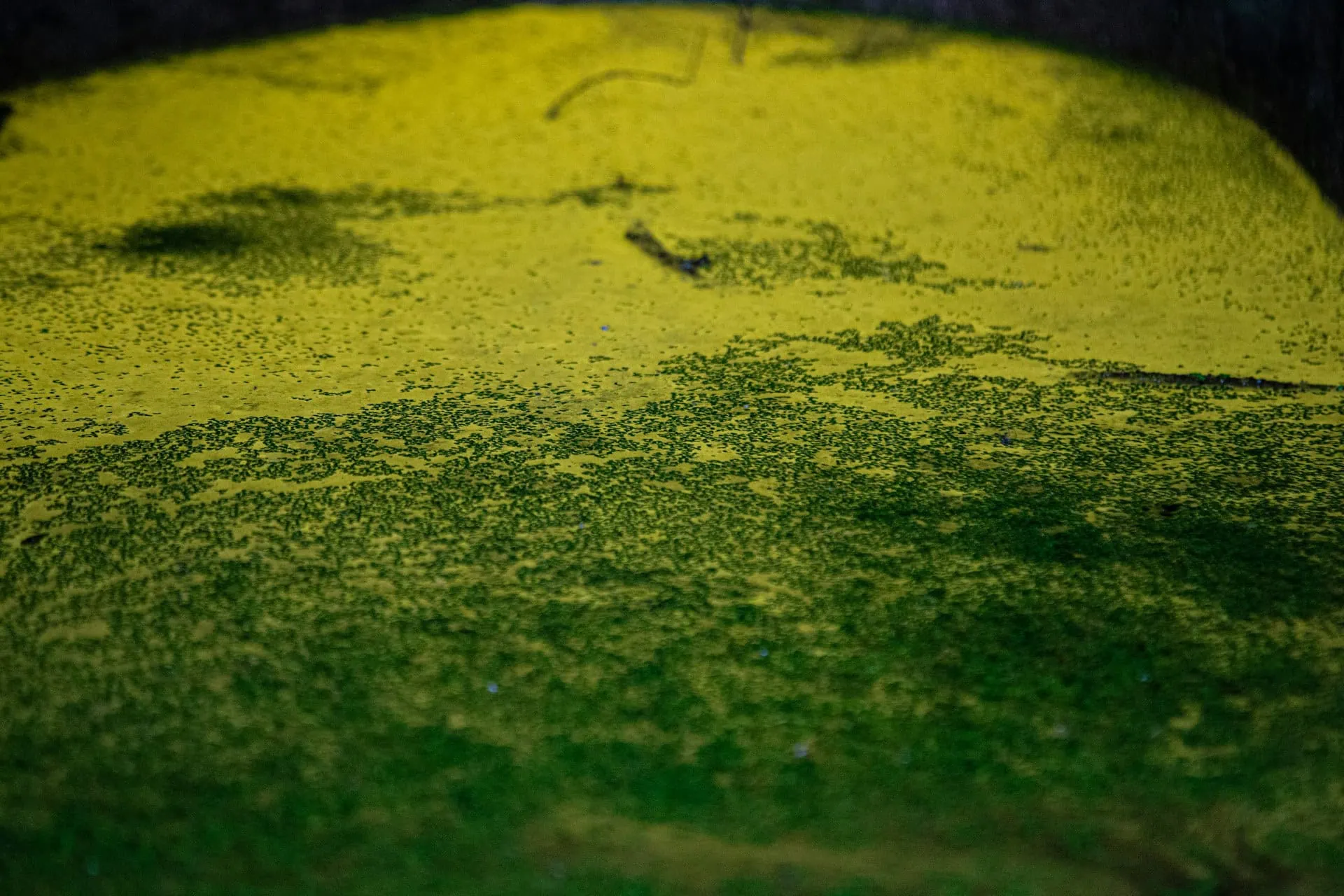
- Green algae: The most common type, it can make the whole pool look light green, dark green, or just hazy and dull.
- Mustard or yellow algae: Often hides in shady spots, along walls, and behind ladders. It is more stubborn and tends to come back if not treated correctly.
- Black algae: Shows up as dark spots on plaster, tile, or grout. It has deep roots and is very hard to remove without strong, focused work.
In hot weather, algae can spread from a few patches to a full bloom very quickly. What looks like a minor tint one afternoon can become green water by the next day if the sanitizer is low and the filter is not running enough.
A simple habit helps a lot: do a quick visual check every time you walk past the pool, and keep up with weekly water testing. Catching changes early makes pool algae removal much faster and less stressful.
Fast Action Game Plan for Pool Algae Removal
Once you see early signs of algae, quick action matters. The goal is to stop it from spreading while protecting your pool surfaces and equipment.
First steps to take right away:
- Turn on the pump and keep the water circulating so treatments can work evenly
- Brush walls, floors, steps, and corners to break algae loose
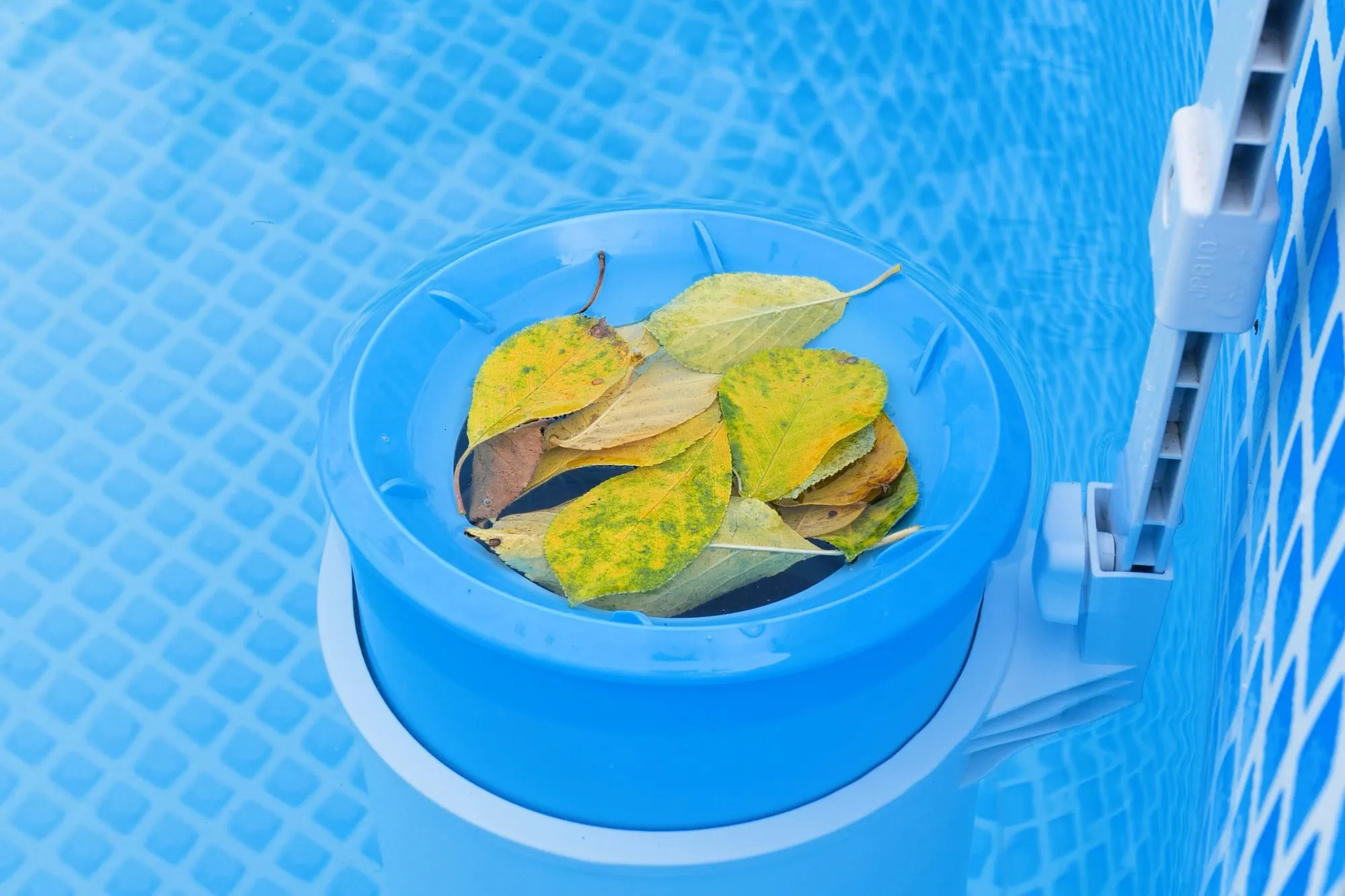
- Empty the skimmer and pump baskets so water flow stays strong
Before any heavy shock treatment, water balance needs attention. pH and alkalinity should be in the recommended ranges so chlorine can work at full strength. When pH is too high or too low, sanitizer loses power and algae hangs on longer than it should.
A simple algae cleanup plan usually looks like this:
- Use an appropriate algaecide based on your pool type and the kind of algae
- Add a strong chlorine shock dose suited for hot weather and recent pool use
- Run the filter around the clock for a day or two so it can trap dead algae
- Backwash or clean the filter cartridges as they fill with fine debris
- Retest water and repeat shock or brushing if the bloom was heavy
When life is busy, or the pool is large or commercial, this whole process can feel like a lot to manage. Consistent steps and careful water care are key. If things do not clear as fast as they should, that is usually a sign that professional help will save time and frustration.
Why Corpus Christi Heat Makes Algae Tougher
Hot pool water is great for long swim days, but algae loves it too. Warm water speeds up algae growth and shortens how long chlorine lasts, so sanitizer levels drop quicker than many owners expect.
Around the coast, a few other factors make algae problems more common:
- Wind-driven sand, dust, pollen, and leaves add organic material to the water
- Frequent pool parties bring in sunscreen, body oils, and extra bacteria
- Sudden heavy rains can dilute chemicals and change water balance fast
All of this puts more demand on your sanitizer, filter, and cleaning routine. A pool that stayed stable in cooler months can start sliding out of balance once long, bright days hit and everyone starts swimming more.
To keep up, you usually need:
- More frequent brushing, especially in shady or low-circulation spots
- Longer daily pump run times so water keeps moving through the filter
- Regular testing and small adjustments to chlorine and pH before problems appear
Matching your maintenance schedule to our local heat and use patterns is what keeps a clear, blue pool from turning into a green headache.
Summer Maintenance Habits That Keep Algae Away
Good habits do more to prevent algae than any one-time fix. A simple weekly routine can make a big difference all season.
A basic summer checklist:
- Skim the surface for leaves and bugs, and empty baskets
- Brush walls, steps, benches, and tile line so algae cannot stick
- Vacuum the pool or use a cleaner to pick up fine debris
- Test chlorine, pH, and alkalinity and adjust into the recommended ranges
Filtration is just as important as chemicals. Even if your water is balanced, poor circulation gives algae places to grow.
Filtration tips for hot weather:
- Run the pump longer on very sunny days and after heavy pool use
- Backwash sand and DE filters as needed so they do not clog
- Clean or replace cartridges when pressure rises or flow drops
- Have filters and equipment checked from time to time to keep everything working correctly
Some pools also benefit from:
- Regular, low-dose algaecide during peak heat
- Seasonal checks of pumps, timers, and valves so circulation stays steady
- A professional maintenance plan that keeps algae prevention on autopilot
Staying consistent with these habits keeps your water clear and makes pool algae removal much easier if small spots do appear.
Call in Local Pros When Algae Will Not Quit
Sometimes algae keeps coming back even when you brush, shock, and clean the filter. Persistent green water, stubborn mustard patches that return in the same areas, or black spots that will not scrub away are all signs that simple steps are no longer enough.
Tough algae problems often need:
- Detailed water testing to see what is really going on with your chemistry
- Deep brushing and focused treatments made for resistant algae types
- Careful checks of circulation and filtration so dead spots do not keep feeding new growth
For pool owners in Corpus Christi and nearby coastal communities, working with local pros who understand our sun, heat, and wind can help break the cycle. When algae stops listening to what you throw at it, a thorough, professional approach is usually the fastest path back to clear, blue, swim-ready water.
Restore a Clear, Healthy Pool Without the Hassle
If algae has taken over your water, we are ready to step in and get your pool looking crystal clear again. At Big Splash Pool Cleaning & Maintenance, our professional pool algae removal service targets the root of the problem so it does not come back. We handle the cleaning, balancing, and ongoing care so you can relax and enjoy your pool with confidence. Reach out today to schedule your service and let us do the hard work for you.