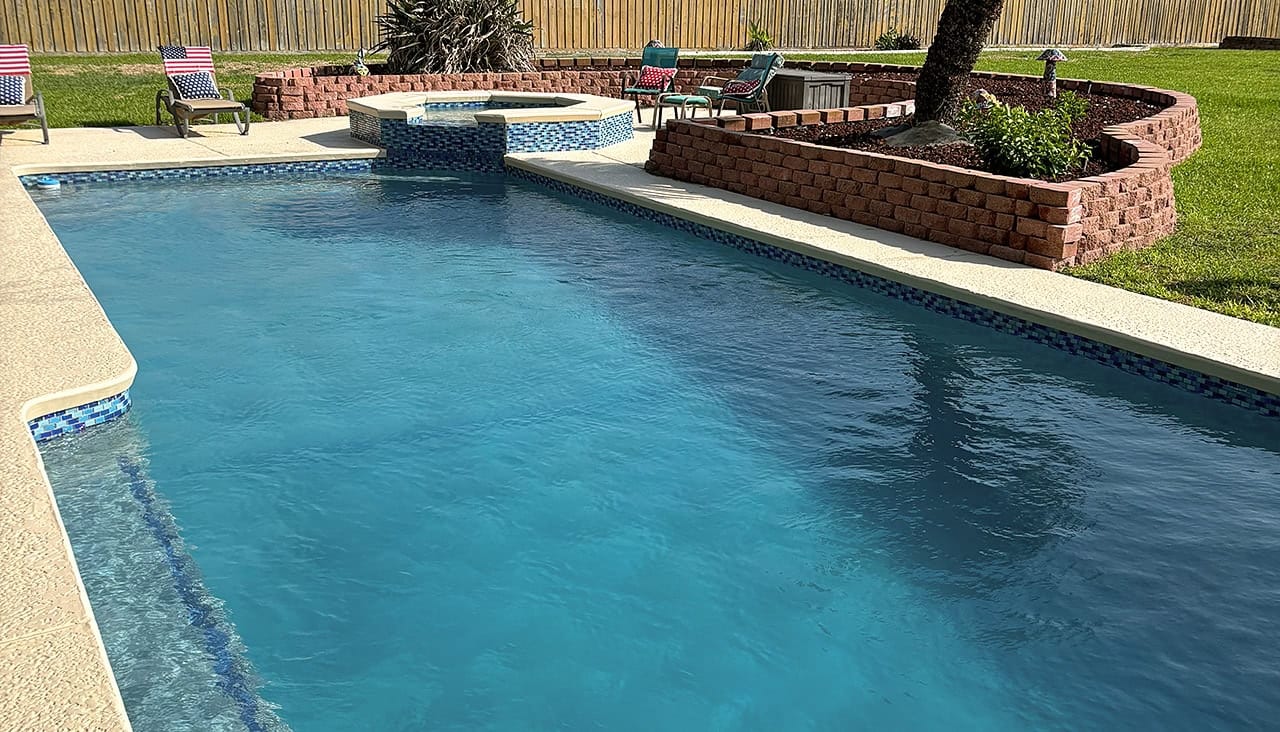

September in Corpus Christi can be a tricky stretch for pool upkeep. The heat hasn’t backed off, humidity sticks around, and rain isn’t shy about dropping leaves and dirt into the water. One afternoon your pool looks crystal clear, and by the next morning it’s hazy. That’s what makes late summer a key time to stay on top of pool maintenance. If things are ignored too long, you could head into fall with more mess than you bargained for.
This time of year is when pool owners want to squeeze in more swim days, host those last cookouts, and make full use of the water. But with the changing weather, your pool needs some different care. From water chemistry to cleaning habits, a few smart steps now can keep things running better and extend your swim season a bit more.
Assessing The Pool’s Current Condition
Before you start tweaking anything, a full once-over of your pool helps spot issues early. After a busy summer, both the water and the equipment could be feeling the weight of all that use.
Begin by walking the pool’s edge and looking at everything closely. Are there any stains along the tile line? Do the pool walls feel rougher than usual? Maybe you’ll notice small cracks starting to form on surfaces. All of these can signal wear and tear that’s easier to fix now than later.
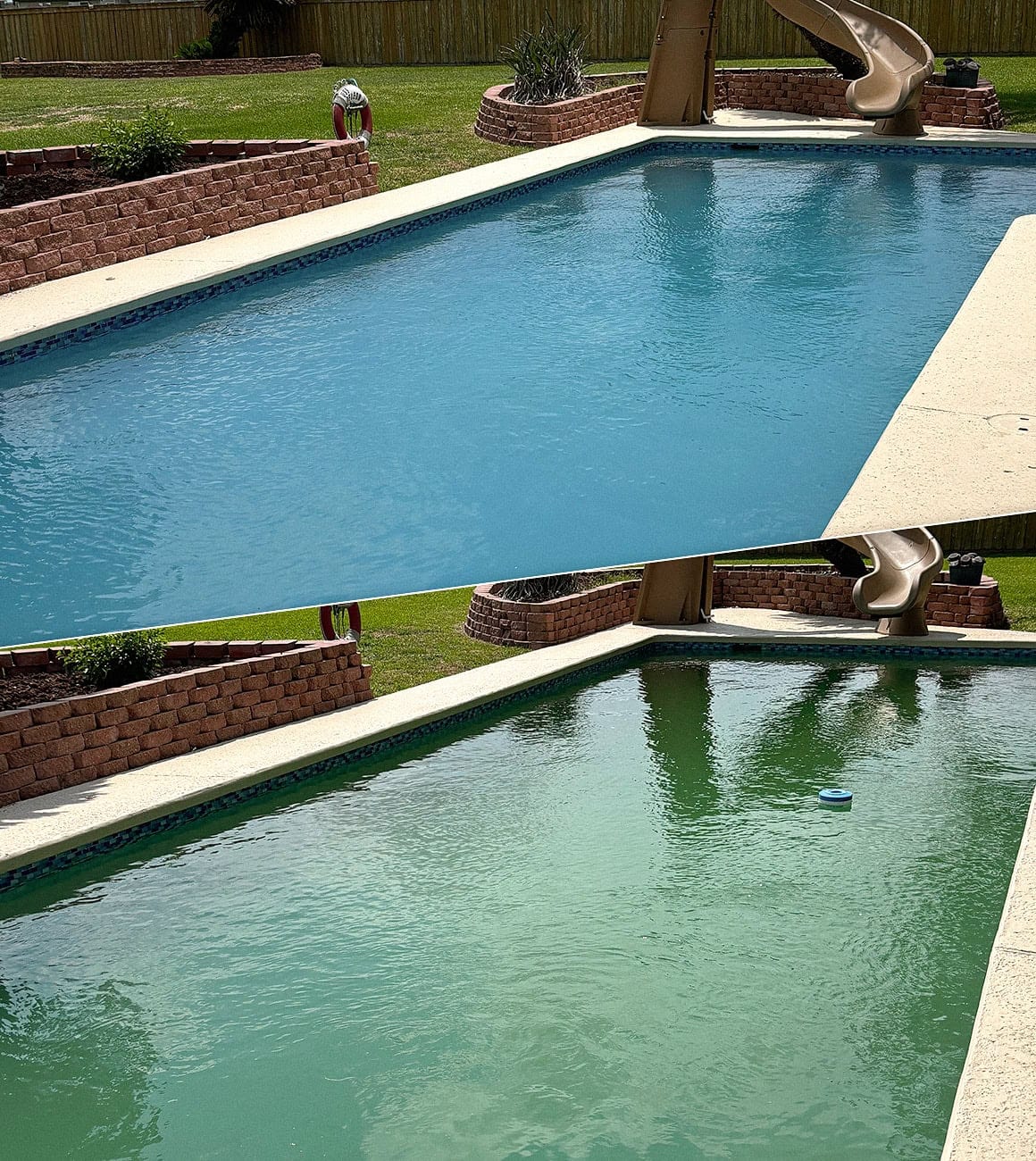
Check the water level too. If it keeps dropping, that could mean a leak. Water clarity is another giveaway. If it’s no longer clear, you’re probably dealing with chemical imbalance, lazy filtration, or maybe even brewing algae.
Make sure to inspect the vital parts of your setup:
– Listen to the pump to catch strange sounds or weak flow
– Clean out the skimmer basket and check the bottom drain for blockages
– Test the lights and timers to ensure they’re still running on schedule
– Check that your pool cleaner, if you have one, is freely moving and collecting debris
These regular checkups help avoid surprise breakdowns. One homeowner we worked with noticed their water was warmer and cloudier after a stretch of storms. They checked their system and found the filter was overdue for a backwash. Fixing it quickly stopped algae from taking hold.
The more you keep tabs on these little things, the fewer big repairs you’ll be juggling later on.
Adjusting Water Chemistry
Hot days, high humidity, and repeated swimming can throw your pool water out of balance fast. Late summer is when chemistry problems tend to show up more often. All that use eats up chlorine, shifts pH levels, and generally makes your pool harder to keep stable.
Focus on these areas when testing:
– pH Level: Be sure it’s within the right range so chlorine can work properly
– Chlorine: Keep enough in there to prevent bacteria and algae from growing
– Alkalinity: Helps guard your pH from swinging too far in either direction
– Calcium Hardness: If it’s too low, you risk etching or minor surface issues
Late summer rain can throw these numbers off too. Sudden storms introduce more water, organic material, and even metals into your pool. Testing once or twice a week gives you the heads-up before problems get worse.
If chlorine seems to disappear quickly, switch to stabilized tabs, which don’t burn off under sunlight so easily. If your pool starts to look murky after a big swim weekend or a storm, it might be time for a chlorine shock to boost sanitation.
Balanced water feels better, looks clearer, and won’t damage your surfaces or equipment. Tuning the chemistry now puts you in a better place for the weather ahead.
Debris Control And Cleaning
After a long summer of fun, your pool likely has a mix of leaves, dust, pollen, and who knows what else tucked in the corners. Even if the top looks decent, the bottom and sides may be telling a different story.
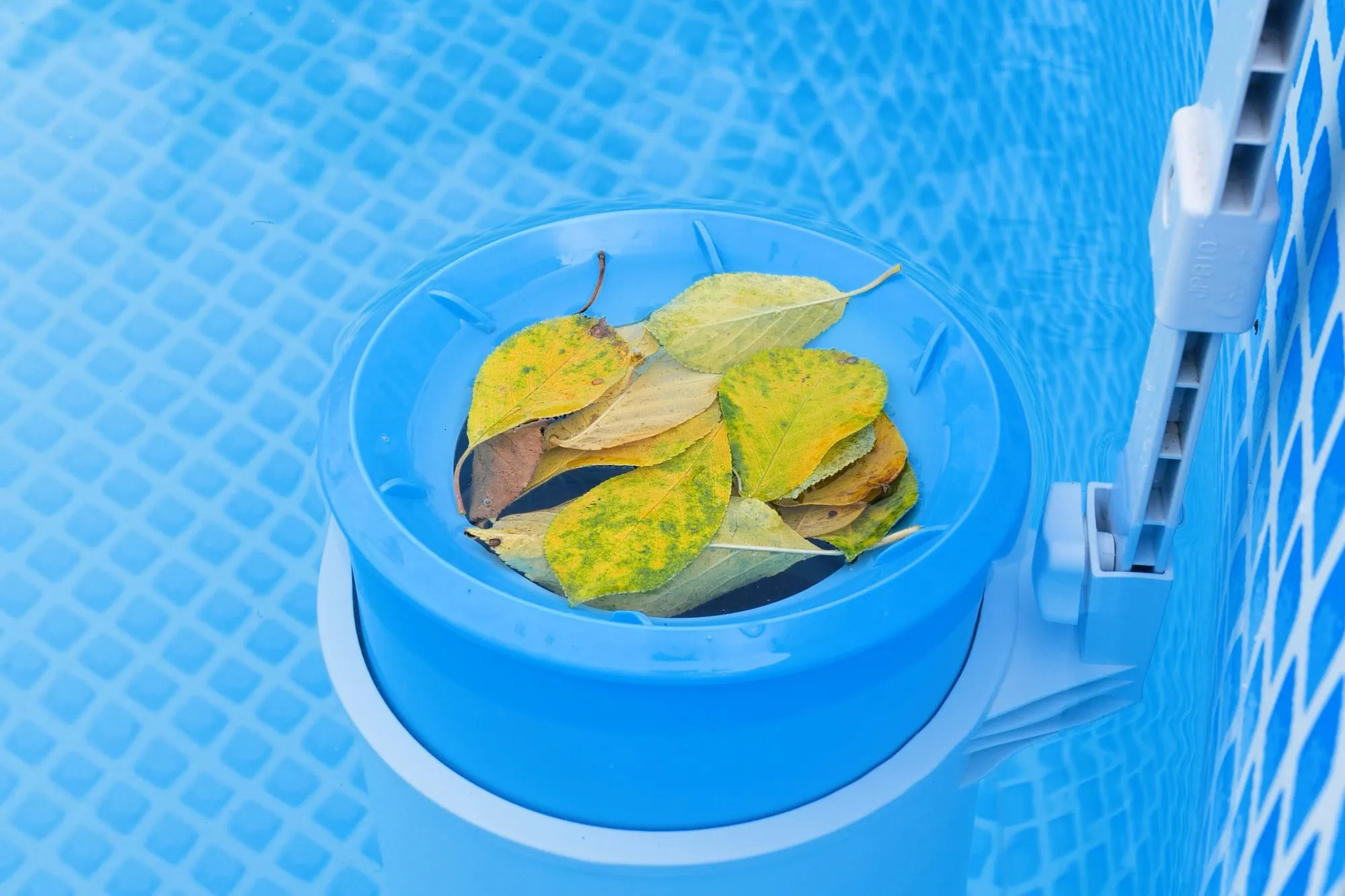
Start fresh each morning with a quick skim of the surface. Getting rid of floating debris early helps stop it from sinking and creating problems. Use a sturdy leaf net to save time, especially when dealing with stressed-out filters after a storm.
For more stubborn stuff settled on the bottom, use your manual vacuum or run your robotic cleaner. A manual vacuum gives you better control for hard-to-reach areas like ledges and shallow steps.
Make sure your cleaning tasks include:
– Morning skimming to pull out fresh debris
– Brushing down walls, steps, and tiles twice a week
– Vacuuming heavy debris off the floor
– Routinely emptying pump and skimmer baskets
– Trimming trees and shrubs nearby to limit falling leaves
Brushing isn’t just for looks. It stops fine dust and algae from sticking to surfaces. If parts of your pool feel slimy or rough, that’s a dead giveaway that sanitizer is low or circulation is weak.
After a downpour, check filters and baskets right away. They’re likely full of twigs and leaf particles. These clogs put extra strain on your pump, and if left unchecked, can lead to equipment damage.
Even if the pool looks good from above, it may be hiding problems below. A regular cleaning routine makes your system work better and helps your chemical treatments last longer between touchups.
Preparing For Cooler Weather
As September rolls toward its end in Corpus Christi, you may not feel fall yet, but your pool certainly does. That’s when small changes in weather can speed up larger problems if you don’t start shifting your care routine.
One of the things to monitor is the slowing of chemical reactions in cooler temperatures. That slows down how well chlorine works, which gives algae a chance to sneak in. Add in surprise rainstorms and temperature spikes, and things become unpredictable.
This is also the season when metal stains pop up more often. Rainwater brings in minerals that, when mixed with imbalanced pH levels, can react and leave rust-colored marks on surfaces. Keep an eye out for odd brown or green tints in your water.
A gentle shift in your schedule can help, like:
– Shortening filter times slightly on cool days
– Testing water weekly instead of every other day
– Keeping up with brushing and vacuuming to limit buildup
– Watching for increased debris from gusty weather or light showers
If you own a pool cover, inspect it now while the weather’s still manageable. Clean off any grime and store it where you can reach it quickly if a cold snap comes in fast. You might not quit swimming altogether in October, but it’s smarter to be ready just in case.
Keeping The Pool Inviting Into Fall
Just because school’s back in session doesn’t mean pool season is over. In Corpus Christi, the warm weather likes to stick around, and that means more chances to splash around even into November.
Keeping your cleaning and water checks going helps you take advantage of this extended season. When filters are clean, chlorine levels stay steady, and the surfaces are brushed, you’ll enjoy a clearer pool without doing a deep clean weekend after weekend.
Make quick walkarounds part of your routine. Pay attention to sounds or sight changes. If you hear the pump whining, that could be a sign of clogged baskets or low water. If the water feels too warm and circulation seems weak, it’s worth investigating the pump and return lines.
Treat pool maintenance during late summer like insurance. You spend a few minutes here and there to avoid hours of work later. And each day your pool stays clear, you’re able to enjoy Corpus Christi’s warm days just a little longer. With the right care, fall swimming isn’t just possible—it’s easy.
If you’re ready to keep your pool looking great without the extra hassle, take a look at our pool maintenance solutions. At Big Splash Pool & Maintenance, we help you enjoy a cleaner, safer, and more relaxing swim season well into the fall in Corpus Christi.