
When the heat turns up in Corpus Christi, backyard pools become the go-to spot to cool down. But keeping the water clean and safe during a serious heat wave can be a challenge. Hot weather throws off the balance of your pool more than you might think, and if you’re not keeping an eye on it, clear water can quickly turn cloudy or even green. Extra sunlight, rising temperatures, and longer swim times can all mess with the water quality in ways that aren’t always obvious at first.
Managing pool water quality during these long stretches of heat isn’t just about comfort, it also has a big impact on health and maintenance. Spending time in a pool with unbalanced water can lead to skin or eye irritation, and over time, poor upkeep can wear down your equipment too. It takes some extra effort to keep up during the hottest parts of the summer, but it’s worth it to keep your pool safe and ready for use whenever you need to jump in.
Effects Of Heat Waves On Pool Water
Hot weather might feel great while you’re floating on a raft, but your pool water reacts in ways that can cause fast changes in balance. When the sun beats down all day and the temps don’t drop much at night, you’re dealing with conditions that speed up chemical loss and make algae more likely to grow.
Here’s how heat waves affect your water:
– Chlorine breaks down faster. Sunlight breaks down chlorine, especially when there’s nothing helping to stabilize it. That means even if you start the day with good levels, they can vanish quicker than usual.
– Evaporation increases. When water evaporates, the chemicals left behind become more concentrated or drift out of balance. Plus, as the level drops, you may need to refill, which resets part of your chemical setup.
– Algae grow faster in warm water. The higher the temperature, the more algae like to thrive, especially when chlorine levels get low.
– Swimmers bring in more debris. With more people using the pool more often, lotions, dirt, sweat, and other stuff get into the water, making the filter work harder and chlorine work overtime.
These conditions mean you’ll need to watch more than just whether the pool looks clean. Heat waves make the water behave differently, so treating it the same way you would during cooler months won’t work as well.
Adjusting Pool Chemical Levels
Once the summer heat settles in, your regular pool routine might not be enough to keep up. Staying ahead of water problems starts with checking your chemical levels more often and making small adjustments before they turn into bigger issues.
Here’s what to focus on:
– Chlorine: In strong heat, chlorine can disappear fast. You’ll likely need to top it off more often and may even need to raise your usual dose. Using a stabilizer can help protect chlorine from sunlight, just don’t overdo it, or it can make chlorine less effective.
– pH Levels: When water gets too hot, pH levels tend to drop. Low pH can make water acidic, irritate swimmers’ skin, and damage pool surfaces. You’ll want to keep your pH between 7.4 and 7.6 and raise it slowly if it dips.
– Alkalinity: Think of it as the cushion for your pH. If alkalinity is too low, your pH bounces around more easily. Aim for a range of 80 to 120 parts per million to help steady things out.
– Calcium Hardness: Hot weather can also mess with hardness levels, especially after adding fresh water to combat evaporation. If levels drop too low, it can pull calcium from pool surfaces.
Taking five or ten minutes a few times a week to test and correct these levels can prevent much bigger cleanup jobs later. A clear pool today doesn’t always mean balanced water tomorrow, especially during back-to-back heat waves. Keeping everything in range helps your water stay clean and safe, even on the hottest days of the Texas summer.
Practical Tips To Maintain Pool Quality
Managing water quality throughout a heat wave doesn’t have to feel like a battle. A few small changes to your routine can go a long way in keeping your pool balanced and swimmer-ready. The key is staying consistent and getting ahead of problems before they show up.
Here are a few simple steps that help:
– Use a pool cover during off-hours. It helps reduce evaporation and keeps out leaves, dirt, and other debris that can throw off the balance.
– Run your pump early in the morning or at night when temperatures are cooler. This helps circulate the water more efficiently and gives your chemicals time to mix properly.
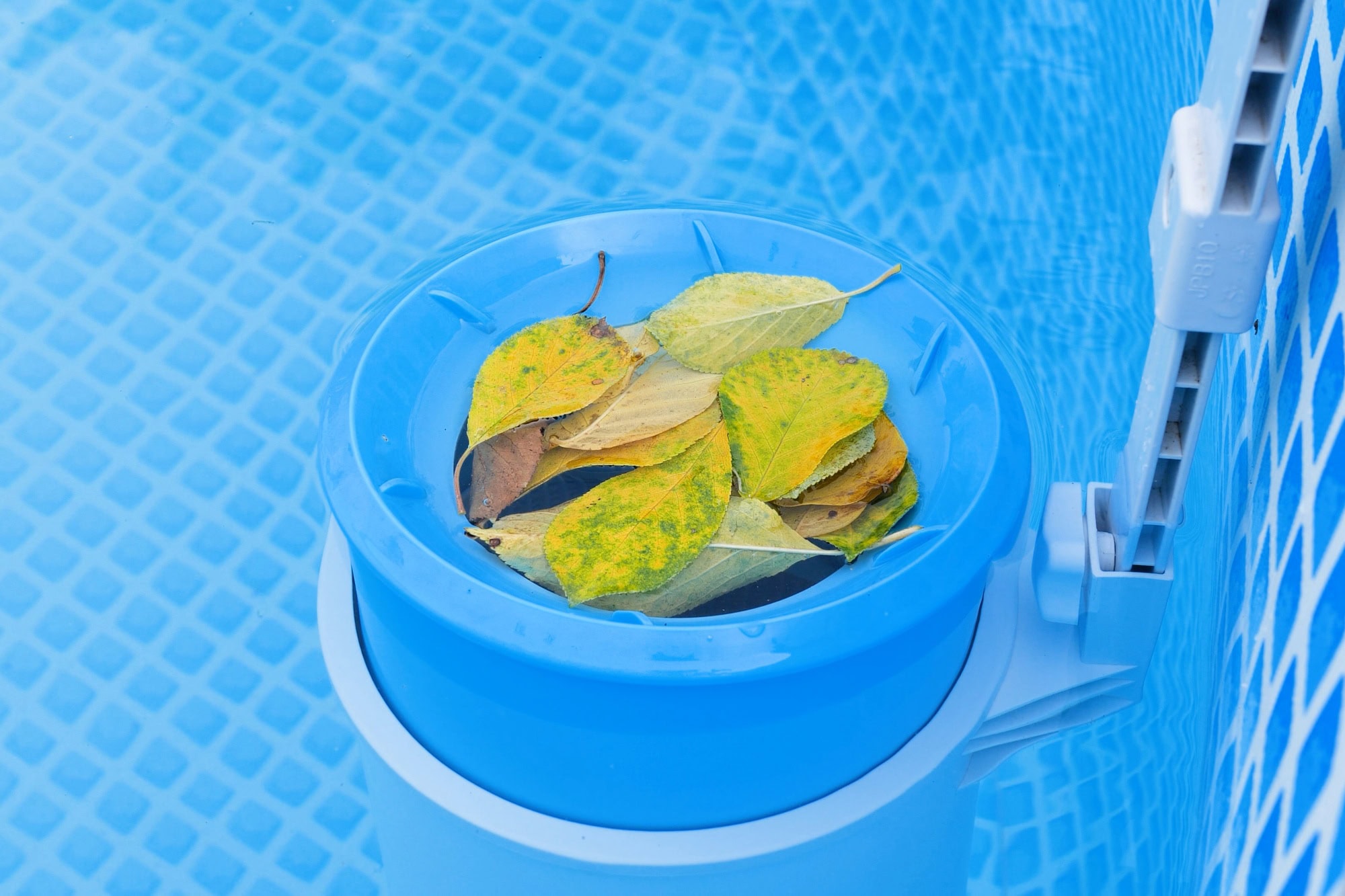
– Skim the surface daily to remove bugs, grass, and oils that can clog up the skimmer and filter.
– Backwash the filter as needed so it doesn’t get bogged down during periods of heavy use.
– Test your water more often. Three times a week is better than waiting for things to go wrong. Keep test strips handy or consider digital testers if you want quicker readings.
Let’s say you’ve just hosted a weekend pool party. By the next morning, sunscreen residues, spilled drinks, and everyone hopping in and out can make the water cloudy fast. Staying on top of circulation and topping off chlorine quickly after heavy pool use can stop that from getting worse. The more active your pool gets in hot weather, the more attention it needs.
Signs Your Pool Needs Immediate Attention
Even with all the planning and adjustments, signs of trouble can sneak up fast in the heat. Recognizing early symptoms of water issues can help you act before things shift from manageable to messy.
Keep an eye out for these red flags:
– Cloudy or milky water that doesn’t clear up after running the pump
– A strong chlorine smell, which can actually mean not enough chlorine is present
– Slimy or slippery surfaces along the walls or steps
– Algae starting to show on the floor or floating on the surface
– Eye or skin irritation after swimming
– Foam or bubbles forming and sticking around instead of dissolving quickly
– Sudden drop in water level without obvious leaks
If any of these pop up, avoid guessing with chemical solutions. Improper fixes can make things worse, damage equipment, or cause long-term surface staining. When problems persist after your usual maintenance, that’s the right time to bring in help instead of risking more frustration or downtime.
Keep Your Pool Safe and Refreshing During Heat Waves
The heat in Corpus Christi doesn’t give pool owners much room to fall behind during the summer. The combination of high temperatures, stronger sun, frequent use, and water loss can stress your pool quickly. Keeping up with water testing, chemical balancing, and circulation helps keep things safe for everyone using it. Skipping just a few days of maintenance during a heat wave can lead to green water and bigger cleanup jobs.
Even the most well-kept pools can have moments where something feels off. That’s completely normal. What matters is how quickly it gets addressed so swimmers stay comfortable and your systems don’t end up overworked. Taking the steps to manage water quality during a heat wave means giving your pool better protection and fewer surprises.
The heat doesn’t have to overwhelm your backyard oasis. Recognize when a little help can make a big difference. Explore how expert pool maintenance from Big Splash Pool & Maintenance can keep your pool in top condition all summer. From reliable care to lasting protection, make sure your pool stays a refreshing retreat for you and your family.