
A clean, steady-running pool pump is the heart of a good swim experience. When it’s working right, water moves smoothly, your pool stays clean, and you barely give it a second thought. But when there’s a hiccup, like odd noises or weak water flow, it can throw everything off. Late summer in Corpus Christi is still prime pool season, so dealing with pump issues quickly can make all the difference.
Two of the most common disruptions pool owners face are air locks and water flow problems. Both can sneak up without warning and start creating headaches fast. Whether you’re hearing the pump struggle or seeing the water slow to a trickle, understanding what’s going on under the surface can help you take action faster. The good news is that with a little bit of knowledge, these issues can often be identified before they turn into bigger problems.
Understanding Pool Pump Air Locks
An air lock in your pool pump might sound minor, but it can actually bring the whole system to a halt. Simply put, an air lock happens when trapped air prevents water from moving through the system like it should. Instead of a nice, steady flow, you’re left with a pump that sputters, whines, or struggles to pull water at all.
Here are a few ways air locks can get into your system:
– Water level in the pool drops too low and air gets pulled into the skimmer
– Loose fittings or cracks in the suction-side pipes allow air to enter
– The pump lid or O-ring isn’t sealed properly
– Pool plumbing was recently serviced and wasn’t bled of air afterwards
If you notice the pump isn’t filling fully with water or the flow weakens after startup, air could be to blame. Some pumps might make gurgling sounds or run dry if the issue is serious enough. Another telltale sign is when the system loses prime entirely and needs to be restarted frequently. These signs shouldn’t be ignored, especially during heavy use in the late summer months when your pump is working overtime.
Making sure the pool water level stays over halfway up the skimmer and checking for bubbles in the pump basket can help you catch a problem early. Pool owners in areas like Corpus Christi, where heat and evaporation are ongoing factors, often run into these situations late in the season.
Identifying Water Flow Issues
Poor water flow can show up in a few ways, and it doesn’t always mean there’s an air lock. Sometimes, the pump runs but water just isn’t moving as it should. The pressure on the filter gauge may drop, the returns might feel less forceful, or water could stop circulating completely. If that’s happening, something has disrupted the normal path water should take from the skimmer, through the pump, filter, and back into the pool.
Common causes of water flow issues include:
– Clogged skimmer or pump baskets
– Dirty or overdue filter cleanings
– Obstructions in the suction or return lines
– A malfunctioning pump impeller
– Leaks in the suction system reducing efficiency
You might also see cloudy water or debris hanging around longer than usual. That’s a clear sign your circulation isn’t where it needs to be.
If the problem continues after clearing baskets and cleaning the filter, taking a deeper look may be needed. Keeping up with pool pump maintenance is the best way to limit these kinds of problems. Protecting your system from damage now helps you avoid mid-season breakdowns later when the heat’s still hanging on and pool time is in full swing.
Troubleshooting And Fixing Air Locks
If you’re dealing with an air lock, the first thing to do is check whether the pump is fully primed. When air gets trapped in the suction side of the system, it breaks the prime and water stops moving properly. Catching it early makes things much easier and prevents long-term damage to the pump motor or plumbing system.
Start by turning off the pump and inspecting the lid on the pump basket. Remove the lid, clean out any debris, and look at the O-ring to make sure it’s clean and free of cracks. Even the tiniest gap can let air inside. Once everything looks sealed up, fill the pump basket with water using a hose, then re-secure the lid. Restart the system and check to see if water flow stabilizes.
If the issue continues, move through these steps:
1. Check the water level in the pool to make sure it’s over halfway up the skimmer.
2. Look for air bubbles in the return jets while the pump is running.
3. Tighten fittings on the suction-side plumbing where air might be sneaking in.
4. Inspect valves for slow leaks or wear and tear.
5. Bleed air out of the filter system if it has a manual air relief valve.
If you’re constantly having to re-prime the pump or still notice inconsistent water circulation, there may be a deeper issue hiding in the plumbing. At that point, it’s best to let a qualified technician inspect the system. Frequent air locks can shorten the life of your equipment over time, especially during hot stretches where the pump is running longer hours.
Addressing Water Flow Issues
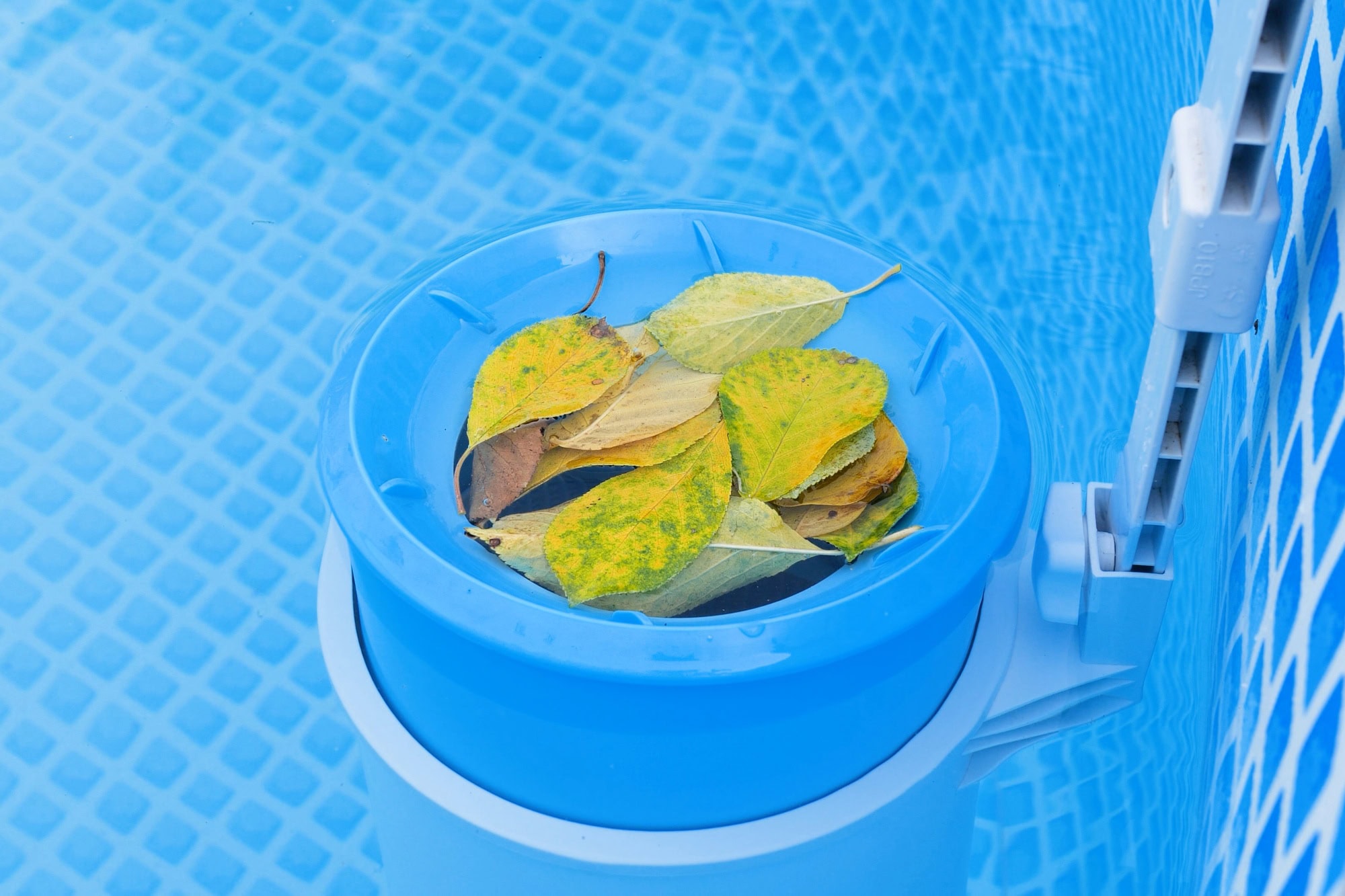
When you’re working through water flow problems, begin with the obvious causes first. One of the most common things we see is a clogged skimmer or pump basket. These collect leaves, twigs, bugs, and random junk that ends up in the pool. A full basket blocks suction and weakens overall circulation right away.
After clearing the baskets, take a look at the filter pressure gauge. A high reading usually means the filter’s dirty and needs cleaning or backwashing. If the pressure’s lower than normal, it could signal a clog in the suction side or a leak somewhere that’s pulling in air.
Keep an eye out for slower water movement at the return jets. You might want to note if the pump sounds different. A whiny or strained noise could mean the impeller is clogged or damaged. Some flow problems are linked to the impeller, which draws water in and pushes it through the filter. When it gets jammed with debris or worn down, everything slows.
Here are a few tips that help avoid pump performance issues:
– Clean the skimmer and pump baskets at least once a week during active swim months.
– Rinse or backwash your filter when the pressure goes up 8 to 10 psi from the clean starting pressure.
– Keep trees trimmed and check for roots or plants growing too close to the plumbing.
– Listen for sound changes. Pumps usually have a steady hum. Sudden changes can be a red flag.
– Schedule regular inspections if your pool gets heavy use during warmer months.
Addressing water flow issues quickly keeps your filtration efficient and your water safe for swimming. Summertime in Corpus Christi doesn’t slow down and neither should your pump.
Keeping Your Pool Pump Running Smoothly
Pool pump checkups don’t have to be a headache. With steady maintenance, you can avoid the most common air and water flow problems. Healthy water circulation depends on clean pathways, tight seals, and reliable pump power. Air locks and blockages throw a wrench in that process, but with the right attention, you can stay ahead of most troubles.
Once a month, take a few minutes to look over your equipment. Walk around the pad and note any leaks, strange sounds, or visible cracks. A good habit to build is logging filter pressures, water levels, and general pump behavior. That way, if something shifts, you catch it faster. To keep things even simpler, have a seasonal plan that includes cleaning filters, inspecting plumbing, and checking seals before peak swimming months.
Late summer stress on pool systems across Corpus Christi makes August a smart time for a full water circulation review. With kids still on break and temperatures up, your pump is pulling extra duty. A little extra attention now can mean smooth sailing through early fall and into cooler months.
Know When To Call The Pros
Recognizing the warning signs of pump trouble is the first step to protecting your pool. Air locks and water flow problems are strong signals that something needs adjusting. Whether it’s a loose connection, a suction-side leak, or a filter that’s overdue for cleaning, staying proactive makes a big difference.
While there are parts you can inspect on your own, there’s no substitute for trained eyes when it comes to deeper issues. If you’re resetting your pump over and over or seeing strange pool behavior that won’t go away, professional help might be the best move. A detailed system review can not only fix the issue but catch problems before they become expensive repairs.
Clear, steady pool water means your system is working together like it should. Keeping that flow going strong through late summer and beyond is the key to an easy, enjoyable swim season. Handling problems quickly and knowing who to call when needed gives you one less thing to stress about.
Keep your summer in Corpus Christi trouble-free with reliable pool pump performance. For more peace of mind, explore how professional pool pump maintenance from Big Splash Pool & Maintenance can keep your system running smoothly. Our dedicated team helps ensure a clean, safe pool ready for endless enjoyment.