Keep Your Pool Safe and Sparkling After Big Crowds
Busy spring weekends in Corpus Christi often mean one thing: the pool is packed. Family, friends, neighbors, or vacation renters are in and out of the water from morning to evening. All that fun is great, but it can leave behind invisible problems in your pool water.
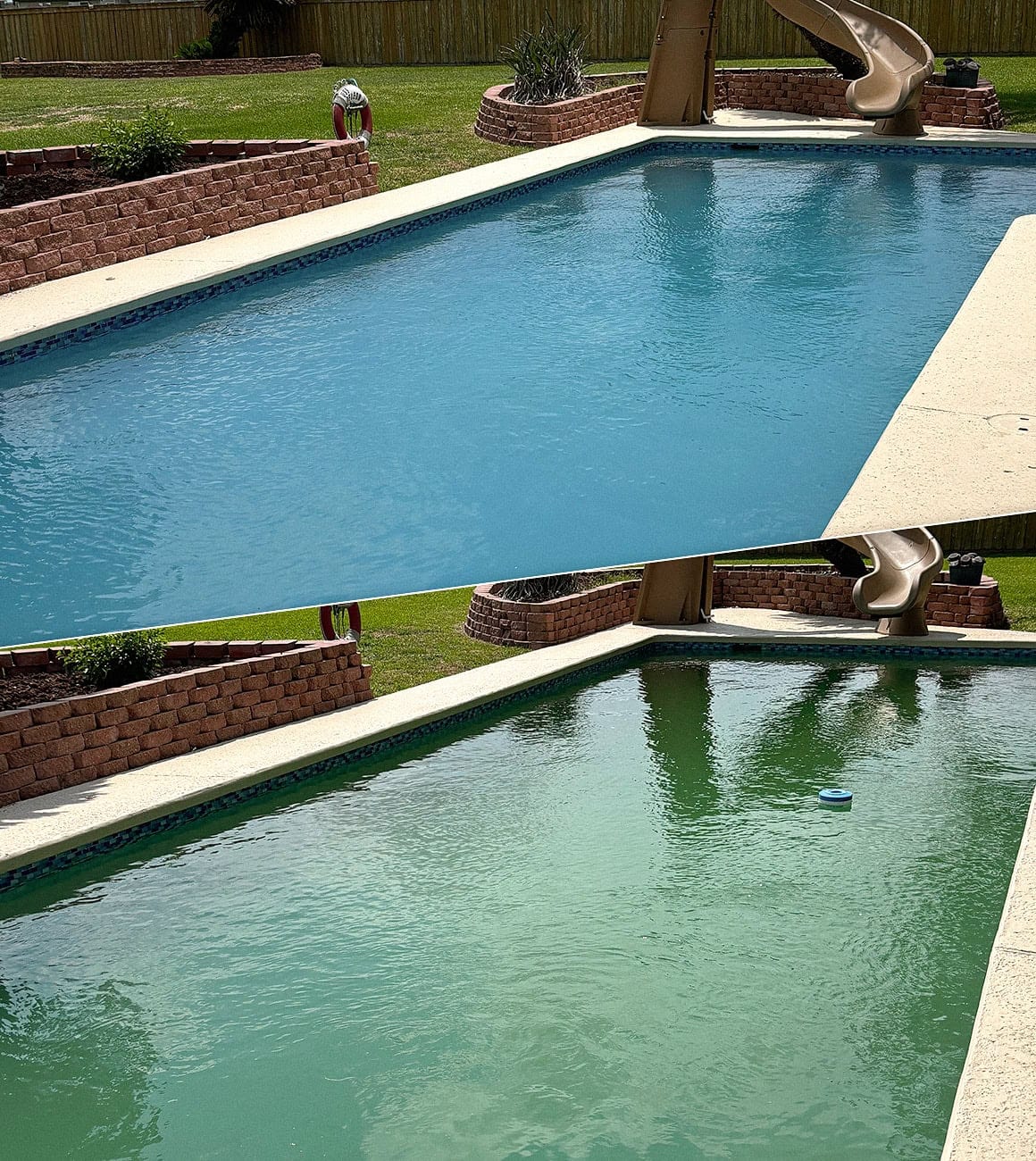
Heavy use changes what is floating in the water. More body oils, sunscreen, sweat, and sand all pile up in a short time. Your sanitizer has to work overtime, and your filter and pump feel the strain. Without a little extra care, that great weekend can lead to cloudy water, algae, and stressed equipment.
With steady weekly pool maintenance and a few smart steps after big swim days, your pool can stay clear, clean, and ready for the next splash. The key is knowing what heavy use does to your water, what to check afterward, and when it is time to let a professional handle the cleanup.
How Heavy Use Really Impacts Your Pool Water
When your pool is busy all day, the water changes faster than most people think.
More swimmers bring more contaminants into the pool, including:
- Sweat, skin cells, and cosmetics that eat up chlorine
- Sunscreens and tanning oils that float on top and leave a film
- Sand, grass, and coastal debris that get tracked in from the yard or beach
- Tiny bits of food or trash from snacks and drinks around the pool
All these extra contaminants react with chlorine very quickly. Your sanitizer level can drop within hours, which gives bacteria and algae more room to grow. That strong “chlorine smell” is not actually fresh chlorine; it is chloramines, which form when chlorine mixes with all that organic material.
Heavy bather load also pushes your water balance out of range. pH and alkalinity can drift faster, which:
- Makes eyes and skin feel irritated
- Lowers chlorine strength, so it does not work as well
- Speeds up wear on plaster, tile, and metal parts
As the water warms up in late spring, chemical reactions and algae growth speed up too. That means any imbalance shows up quicker.
Your equipment feels the impact as well. Filters and pumps have to move more dirty water and trap more fine particles. Oils from sunscreen and sweat get stuck in the filter media, which:
- Reduces flow rate
- Makes the water look dull or hazy
- Can shorten the life of your equipment if it is never cleaned or adjusted
Ignoring that extra strain can lead to higher energy use and more frequent repairs.
Essential After-Party Pool Checks You Should Never Skip
The morning after a busy pool day, a quick check can tell you a lot about your water and equipment.
Start with simple visual and safety checks:
- Look for cloudy or dull water, foam, or a strong odor
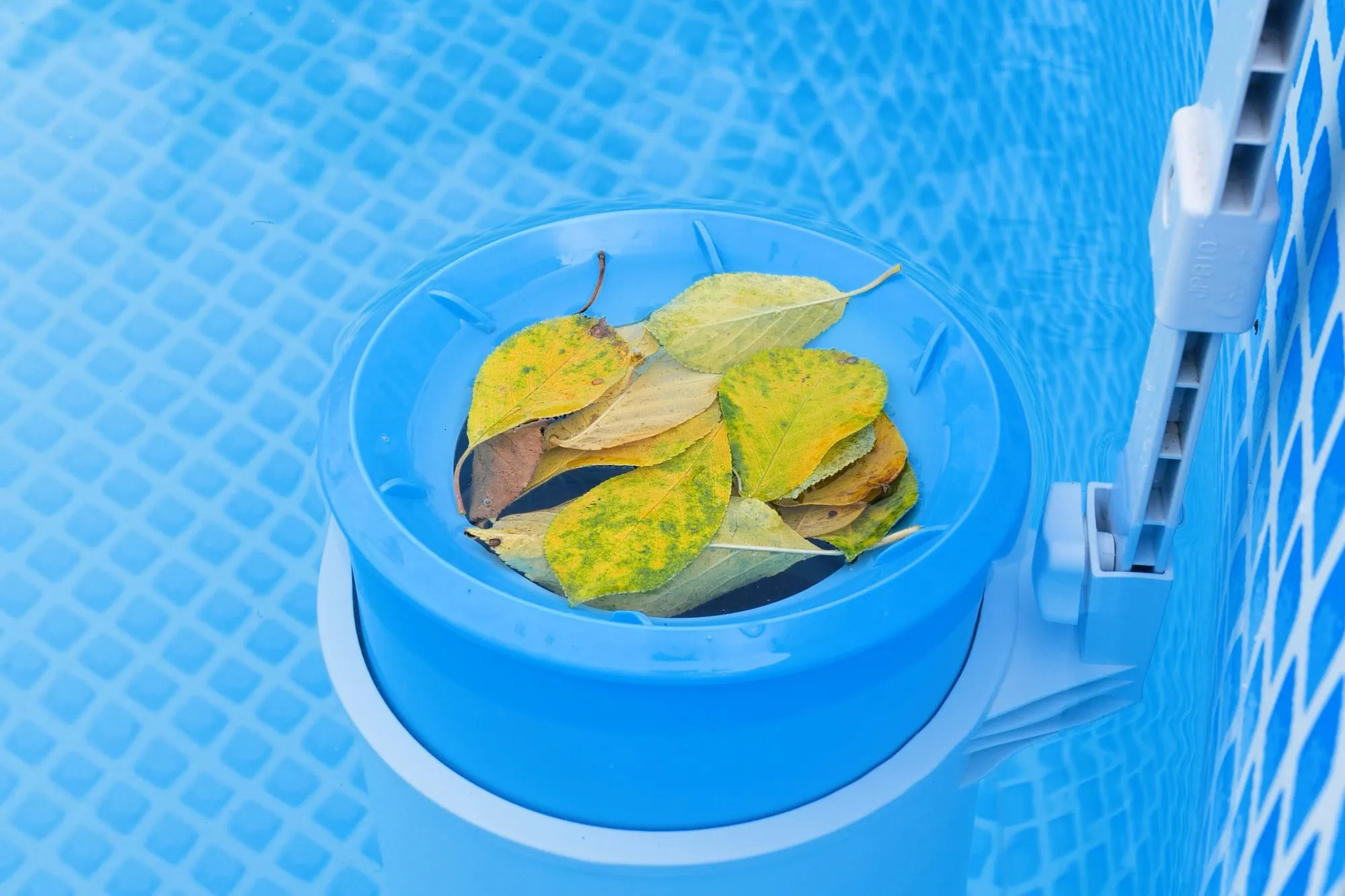
- Check the surface and pool floor for leaves, toys, and trash
- Empty skimmer baskets and the pump basket if you can safely access them
- Make sure ladders, rails, and safety equipment are still tight and secure
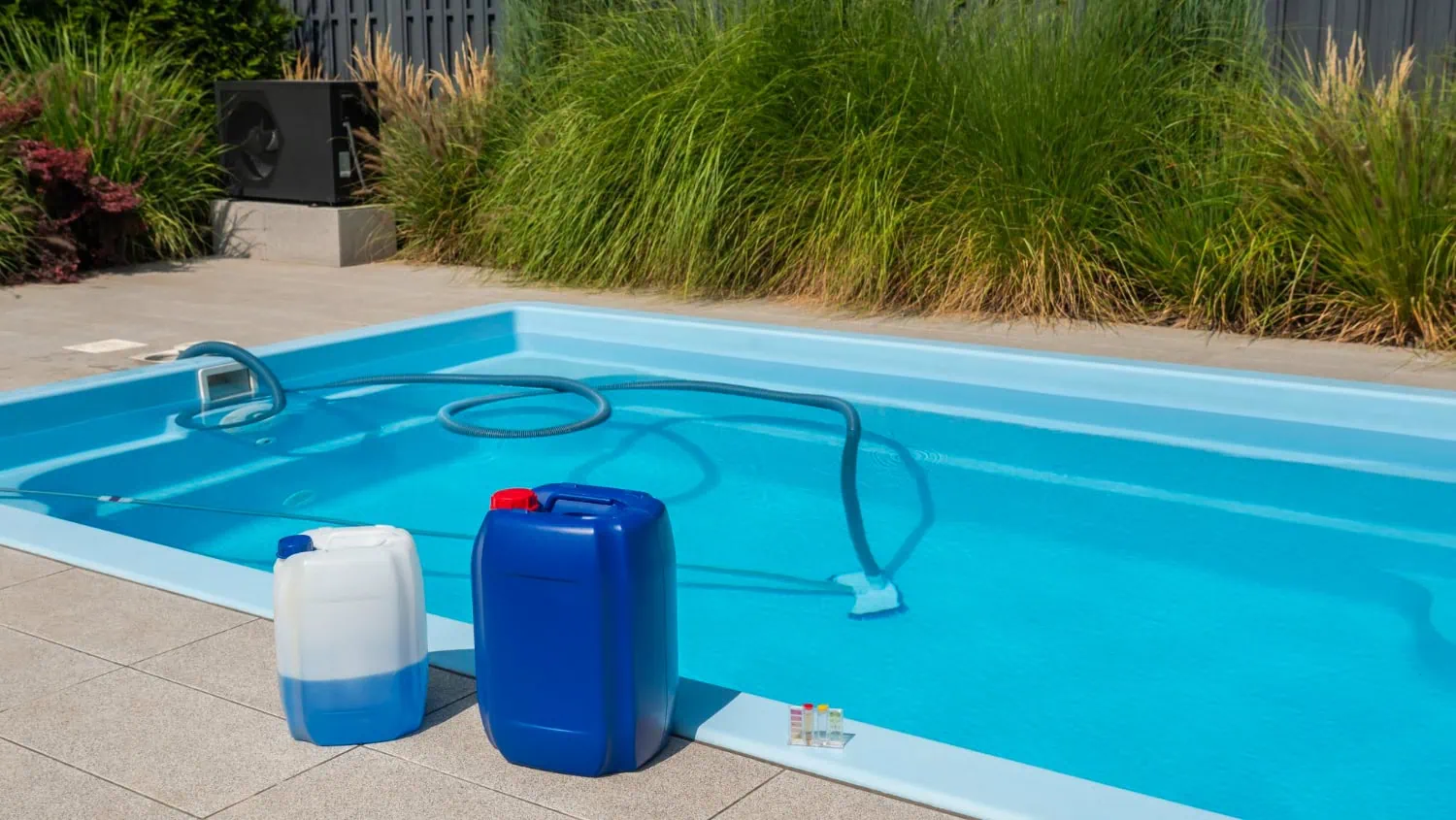
Next, test the water as soon as you can. Even if you use professional weekly pool maintenance, it helps to keep a basic test kit or strips at home. Focus on:
- Free chlorine, aim for about 2 to 4 ppm
- pH, aim for about 7.4 to 7.6
- Total alkalinity, staying in the proper range for your pool type
Balanced numbers help keep the water comfortable, protect the pool surface, and support your sanitizer so it can do its job.
Right after testing, give the pool a quick cleanup and boost circulation:
- Skim the surface to grab leaves, bugs, and floating debris
- Brush walls, steps, and the waterline to break up oils and film
- Run the pump longer than usual, often overnight after a big crowd
- Vacuum, either by hand or with a cleaner, within 24 hours to pick up fine dust and sand
These small steps help keep problems from settling in.
Adjusting Chemicals and Equipment After Heavy Pool Use
Once you know where your levels are, it is time to help your sanitizer recover. Heavy use often means you need to raise chlorine to bring it back into the ideal range. Many pools also benefit from a shock treatment after a long day of swimming. A good shock, chlorine or non-chlorine, helps break down organics and chloramines that regular levels struggle to handle, especially in our humid coastal air.
For best results, shocking is usually done at dusk or in the evening so the sun does not burn it off too fast. No one should swim until chlorine levels drop back to safe, normal numbers.
Do not forget about pH and alkalinity. After adjusting sanitizer, re-test to see if your water balance shifted. Gentle corrections keep:
- Swimmers more comfortable
- Chlorine working efficiently
- Plaster, tile, and equipment protected from damage
Spring and early summer temperature swings and long sunny days can make these numbers move more quickly, so checking after big events is smart.
Your filter also needs attention. After heavy use, take a look at the pressure gauge. If the pressure is higher than normal, it might be time to clean or backwash the filter. That helps restore flow and clear the water faster. For very busy pools, a pro may suggest:
- Slightly longer daily run times after parties
- A clarifier to help bind tiny particles so the filter can catch them
- Enzyme products to help break down oils from sunscreens and lotions
These tweaks keep everything running smoother and stop cloudy water from turning into algae or stains.
How Weekly Pool Maintenance Protects You From Party Aftermath
The best way to handle post-party care is to start with a pool that is already in good shape. Regular weekly pool maintenance creates a stable base: clean filters, proper chemistry, and equipment that is working the way it should. When your pool starts out balanced, it can handle crowds better.
That steady care means:
- Post-party fixes are usually smaller and quicker
- Issues like slow pumps or rising filter pressure are spotted early
- Algae has less chance to grab hold, even after heavy use
For pools in Corpus Christi and nearby coastal communities, local conditions add an extra layer. Salt air, windblown sand, and frequent get-togethers mean pools see more stress. Service plans that match this kind of use pay off. A team that understands local water conditions and weather patterns can time visits around higher usage and warmer months, adjusting as the season changes.
There are times when simple checks are enough, and other times when you need professional help. Light cloudiness that clears quickly, small debris, and minor chlorine dips are often handled with basic adjustments. But stubborn cloudy water, algae that keeps coming back, or a strong odor are signs that deeper cleaning and expert water balancing are needed, especially for rental and commercial pools that must stay guest-ready.
Enjoy A Cleaner, Worry-Free Pool Every Week
Let Big Splash Pool Cleaning & Maintenance handle the details so you can simply enjoy your pool. With our professional weekly pool maintenance, we keep your water clear, equipment protected, and your backyard always ready for a swim. Reach out today so we can tailor a schedule that fits your needs and keeps your pool in top shape all season long.