
What Happens When Pool Algae Returns After Treatment
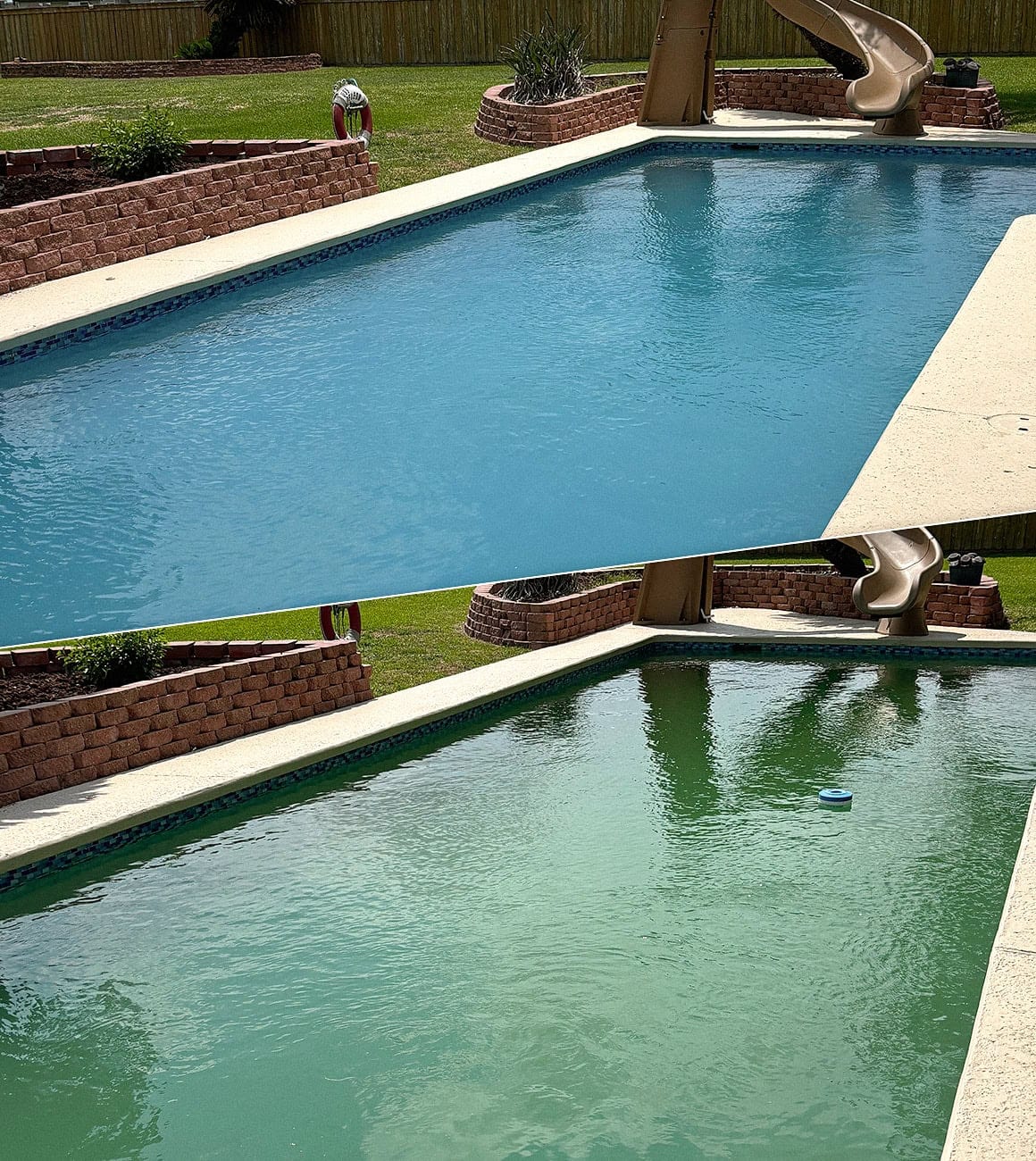
Pool algae removal can feel like a never-ending battle. You shock the water, brush the walls, and for a short time the pool looks bright and clear. Then, a week or two later, that green tint or hazy cloud starts to show up again. It is annoying. It is confusing, and it can steal your summer fun if it keeps happening.
In our warm, humid coastal area around Corpus Christi, algae shows up fast, especially as June brings longer days and heavier pool use. When it keeps coming back after treatment, it is almost never just bad luck. Recurring algae is usually a sign that something deeper is off in the water, the circulation, or the equipment. Let us walk through why that happens and what it is really saying about your pool.
Why Algae Comes Back After Pool Treatment
Algae is a tiny plant-like growth that loves warm, sunny, still water. In coastal communities, we see it all the time because:
- The sun is strong and out for long hours
- Pool water stays warm most of the year
- Humidity is high and organic debris is common
Many pool owners fall into the same cycle. They see green or cloudy water, throw in some shock, brush a bit, and the pool clears up. For a short while. Then, almost out of nowhere, the water turns dull, the floor looks dusty, and spots of green start building again on steps and walls.
That pattern is a clue. If algae keeps returning, it usually means something is not staying in balance. It could be water chemistry, poor flow in certain areas, weak filtration, or gaps in the cleaning routine. Fixing those root issues is the key to long-lasting pool algae removal.
Hidden Reasons Algae Survives Your First Treatment
A pool can look clear to the eye but still be full of microscopic algae spores. They like to hide in:
- Corners and steps
- Behind ladders and handrails
- Light niches and drain covers
- Rough plaster or grout lines
If brushing is too light or too quick, a lot of algae clings to the surface and survives. Even a few tiny spots left behind can grow back fast once chlorine levels drop.
Chemical mistakes are another big reason algae returns. Common problems include:
- Shocking without testing water first
- Using the wrong type or strength of shock
- Ignoring pH and alkalinity, which changes how chlorine works
- Letting chlorine levels crash right after treatment
In our coastal area, the environment makes things even harder on your pool. Wind can blow in dirt, leaves, and pollen. Busy summer days mean more sunscreen, sweat, and body oils in the water. Warm water speeds up algae growth, and intense UV light burns away chlorine faster. If your pool is already on the edge, those local factors push it right back into an algae bloom.
When Algae Returns: What It’s Telling You About Your Pool
When algae pops back up again and again, your pool is sending you a message. Often, it is saying the water is not moving well enough. Dead spots in corners, under benches, around steps, or at the deep end can let sanitizer levels drop low, even when the rest of the pool tests fine.
Poor circulation and filtration might show up as:
- Weak return jets
- Water that barely moves in one part of the pool
- Dirt settling in the same spots over and over
If the filter is clogged, worn out, or undersized, it may be pushing algae spores right back into the water instead of trapping them. Short pump run times can also leave a lot of water under-treated each day.
Chronic water imbalance is another big sign. If pH, alkalinity, stabilizer, or calcium are off, your chlorine has to work harder and may not sanitize well enough. That is when algae gets a chance to grow, even if you feel like you are adding enough chemicals.
Repeated blooms can also point to equipment that is aging or failing. A pump that has lost power, a filter that needs fresh media, or a chlorinator that does not feed sanitizer correctly can all lead to constant algae issues that do not go away with simple shocking.
Smart Steps to Make Pool Algae Removal Stick
To get rid of algae and keep it away, the plan needs to be a little smarter than just throwing in shock. A strong approach usually includes:
- Testing and balancing the water first
- Shocking to the right level for the pool’s size and condition
- Brushing every surface, including walls, steps, and around fittings
- Running the pump non-stop for at least a full day after treatment
Improving circulation and filtration makes a big difference, especially in South Texas during heavy swim season. That might mean:
- Adjusting return eyeballs to push water into corners and across the surface
- Cleaning or backwashing the filter more often
- Increasing daily pump run time so the full volume of water passes through the filter enough times
Preventive maintenance is what keeps algae from reappearing. A simple routine can include:
- Weekly water testing and chemical adjustment
- Keeping chlorine steady instead of swinging high and low
- Regular brushing, skimming, and vacuuming
- Extra attention after storms or heavy use
When algae is severe, stubborn, or keeps coming back, it usually takes professional-grade methods to solve it for good, especially with black or mustard algae. Those types are tougher and can dig into rough plaster and grout, so they often need stronger treatments and careful follow-up.
How Professional Maintenance Stops Repeat Algae Blooms
A professional service approaches pool algae removal and care in a more precise way. Instead of reacting to green water alone, we look at the whole system each visit. That includes detailed water testing and careful chemical dosing, not just guessing by eye. Every cleaning is focused on brushing, vacuuming, and getting into the places algae likes to hide.
Regular equipment checks are also part of professional care. During routine visits, we can:
- Check pump performance and flow
- Inspect filter media for wear or clogs
- Confirm that chlorinators or salt systems are working as they should
In a coastal area like Corpus Christi and nearby communities, a tailored maintenance plan is especially helpful during the busy summer months. Pools see more use, more debris, and more sunlight, so they need more attention to stay clear.
When expert pool algae removal is combined with ongoing monitoring, it helps avoid repeated blooms. It can reduce wasted chemicals, protect plaster and equipment from harsh swings in water balance, and keep the water ready to enjoy whenever you are.
Take Control Before Algae Steals Your Summer
Waiting for the next big bloom usually means more work and more frustration. When pool care is consistent in late spring and early summer, algae has a much harder time getting started at all. That means fewer surprises, fewer last-minute scrambles, and more relaxed time in the water.
Homeowners and property managers in Corpus Christi and the surrounding coastal areas can benefit from a plan that addresses the source of recurring algae, not just the symptoms. With steady care, smart circulation, and proper cleaning, your pool can stay clear, comfortable, and ready whenever you want to jump in.
Restore a Clear, Healthy Pool Without the Hassle
If algae has taken over your pool, we are ready to get it sparkling clean again with expert pool algae removal. At Big Splash Pool Cleaning & Maintenance, we use professional equipment and proven treatments to eliminate algae at the source. We handle the dirty work so you can relax and enjoy a safe, inviting pool. Reach out today so we can schedule a convenient time to restore your water and keep it looking its best.