Keeping a pool clear during storm season in Corpus Christi takes a real plan, not just a leaf net and good intentions. High winds, blowing sand, and heavy downpours all push extra debris and dirt into the water, and that can ruin a swim day fast. With the right vacuuming habits, though, your pool can stay clear, safer, and ready to use even when storms roll through.
In this guide, we share how storm patterns around our coastal area affect both residential and commercial pools, and how smart vacuuming fits into your storm-season care. We will walk through what to do before and after storms, how to choose the right tools and settings, and when it is time to bring in a professional pool team for extra help.
Protect Your Pool Before the Storms Hit
Along the Corpus Christi coast, late spring and summer bring quick changes in weather. One day feels calm, the next day strong winds and fast-moving storms blow in from the Gulf. Pools take a direct hit from all of this, with:
- Windborne leaves, palm fronds, and trash
- Fine sand and dust from yards, roads, and beaches
- Heavy rain pulling dirt and pollen off decks and landscaping
If the pool floor is already covered in leaves, sand, and other organic material, storms only make it worse. All that debris breaks down, stains surfaces, and feeds algae. Regular vacuuming and general maintenance before the storms hit help:
- Reduce the amount of material that can rot on the floor
- Keep water clearer so you can spot new problems quickly
- Make post-storm cleanup faster and less stressful
We focus on practical, step-by-step strategies that work for neighborhood backyard pools as well as busy commercial pools that see a lot of traffic.
Know How Storm Season Impacts Your Pool
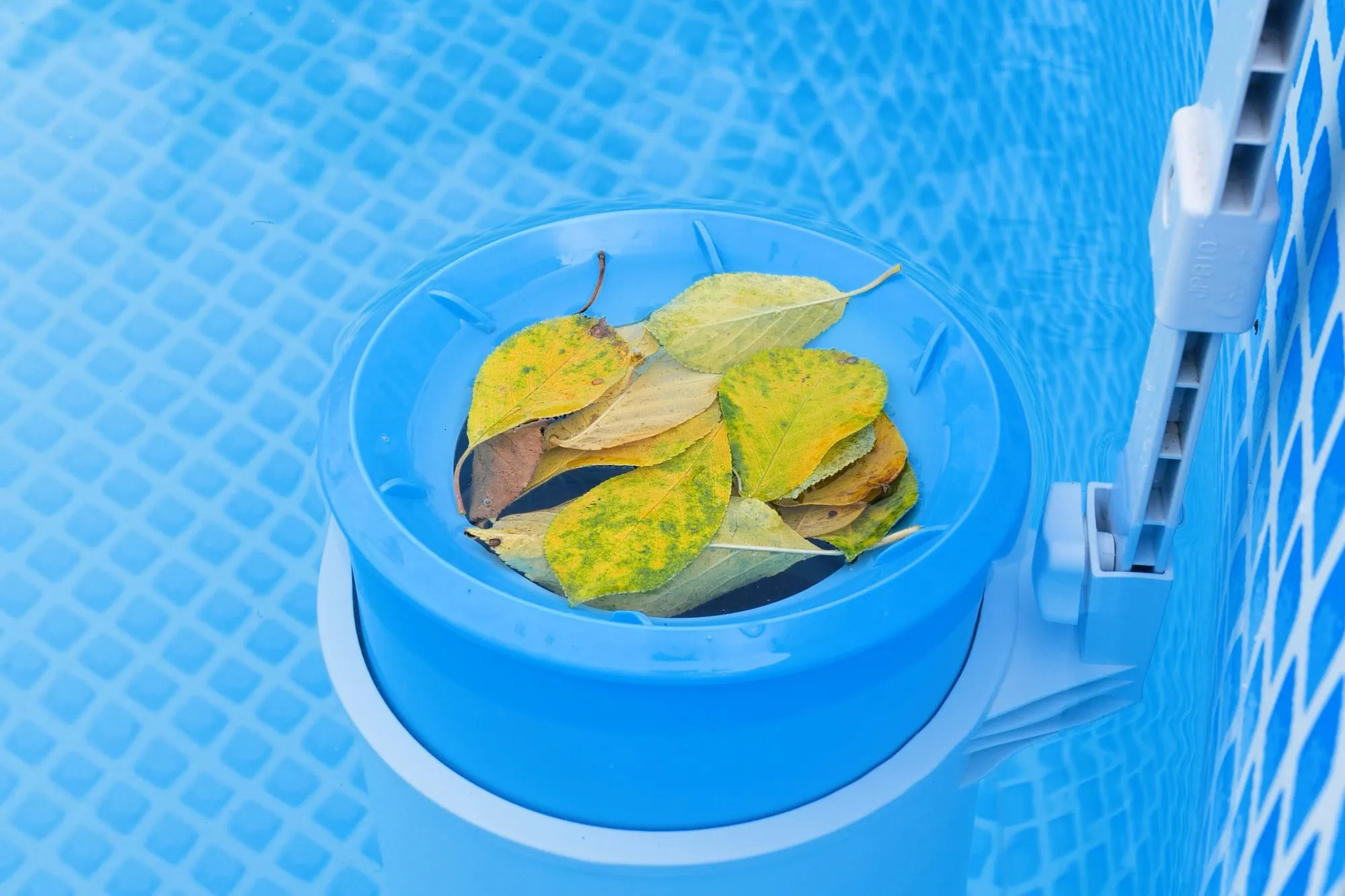
Storm season is rough on every part of a pool system. High winds and blowing sand can overload normal cleaning routines. Skimmers and baskets grab some of it, but a lot settles on the floor where it needs to be vacuumed out.
A few common storm-season issues include:
- Large debris, like branches and clumps of leaves, that clog baskets
- Fine coastal sand that settles into corners and step treads
- Dust and soot that make water look cloudy
Heavy rain does more than just top off the pool. It changes the water balance and pulls in extra contaminants. When rainwater runs across decks, flowerbeds, and patios, it can carry:
- Soil and mulch particles
- Grass clippings and plant material
- Fertilizers and other yard residues
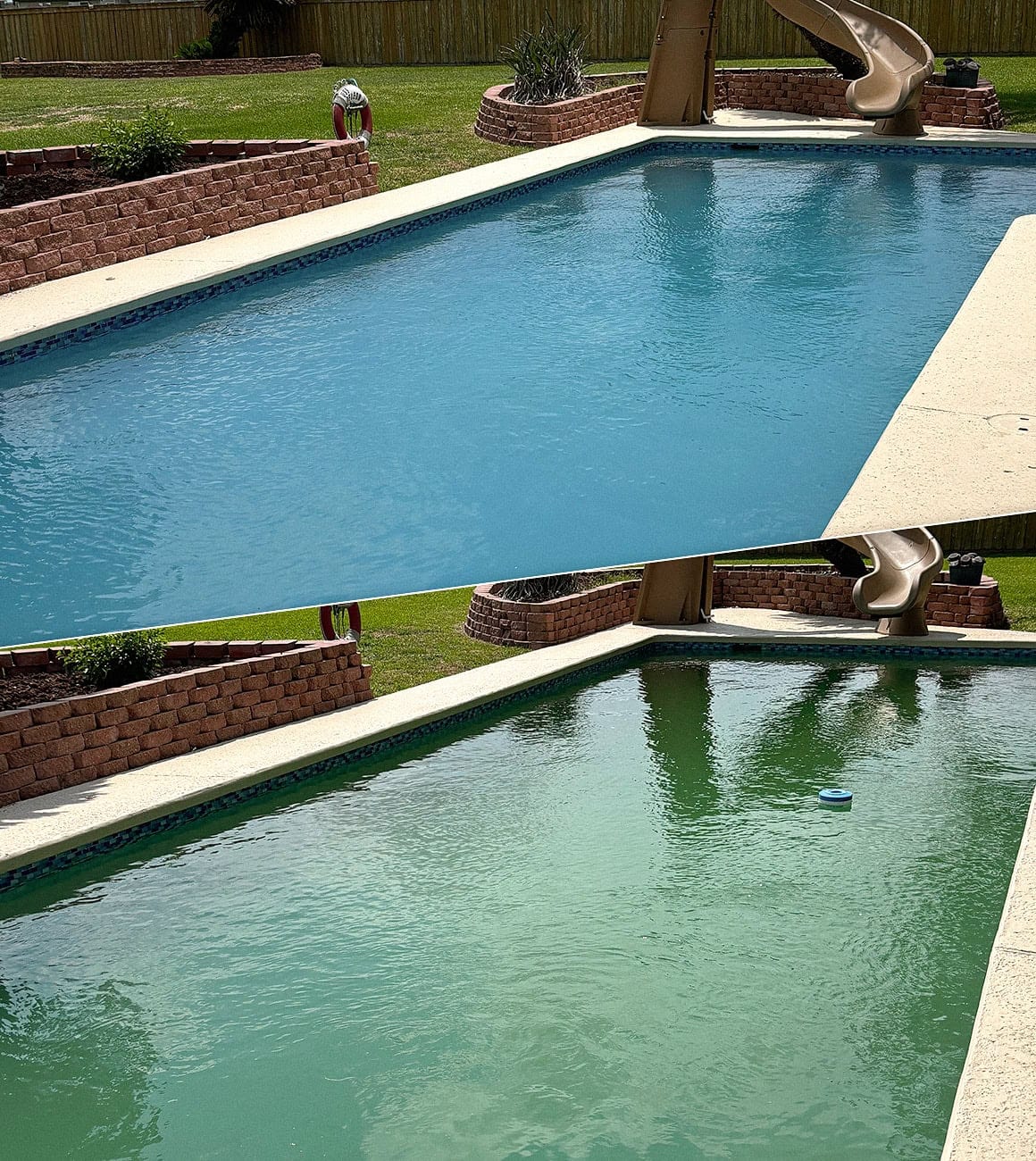
On top of that, our coastal humidity and salt-laden air help algae grow quickly. That green tint often shows up faster after storms when there is more organic matter in the water. Regular, effective vacuuming helps remove the fuel algae feeds on and supports your sanitizer so it does not have to fight through as much debris.
Pre-Storm Vacuuming and Prep for Clearer Water
Getting ahead of the storm is one of the smartest moves you can make. A clean pool going into bad weather is always easier to recover afterward than a dirty one.
Before a forecasted storm, we suggest:
- Vacuuming the entire pool floor slowly so you remove as much dirt as possible
- Brushing walls, steps, and corners to break loose any film and send it toward the filter
- Emptying all skimmer and pump baskets so they are ready for new debris
If a major storm is expected, it can help to lower the water level slightly so the pool has room for heavy rain. Just do not drop it so far that skimmers suck air when the pump runs. Put away toys, floats, and light furniture so they do not end up in the water or damage the pool finish.
For vacuuming tools:
- Manual vacuums are great before storms, since you can target trouble spots
- Automatic cleaners can run on normal days, but check the hoses, heads, and wheels so they are in good condition
- Make sure the filter is clean, since you want strong suction when the big mess arrives
Staying on top of this prep work helps your system handle the surge of storm debris much better.
Smart Post-Storm Vacuuming Steps That Work
Once the weather clears and it is safe to go outside, it is time for a careful cleanup. It is tempting to just flip the pump on and hope for the best, but a planned approach works far better.
Here is a simple sequence we like:
1. Skim and net first
- Use a leaf net to remove large branches, palm fronds, toys, and heavy leaf piles
- Empty baskets again before you start vacuuming
2. Brush surfaces
- Brush walls, steps, benches, and tile lines
- Push loosened debris toward the main drain or a central area
3. Vacuum slowly
- For heavy dirt or fine sand on the floor, use a manual vacuum and go slow
- When there is a lot of fine material, vacuuming to waste can keep it from clogging the filter
After vacuuming, check the water level and top it off if needed. Then rebalance the water chemistry so the sanitizer can do its job. Clean or backwash the filter so circulation stays strong and you do not push dirty water back into the pool.
Many pools around Corpus Christi have plaster, vinyl liners, or older surfaces that may be more delicate after storms. Vacuum more gently on these, avoid pressing too hard on rough spots, and use a soft vacuum head to reduce the chance of damage.
Choosing the Right Vacuuming Tools and Settings
Choosing the right vacuum setup matters even more during storm season. Each type of cleaner does a different job.
- Manual vacuums, best for heavy debris and targeted cleanup
- Suction-side cleaners, good for routine, light to moderate dirt
- Pressure-side cleaners, helpful for larger debris but less effective on very fine sand
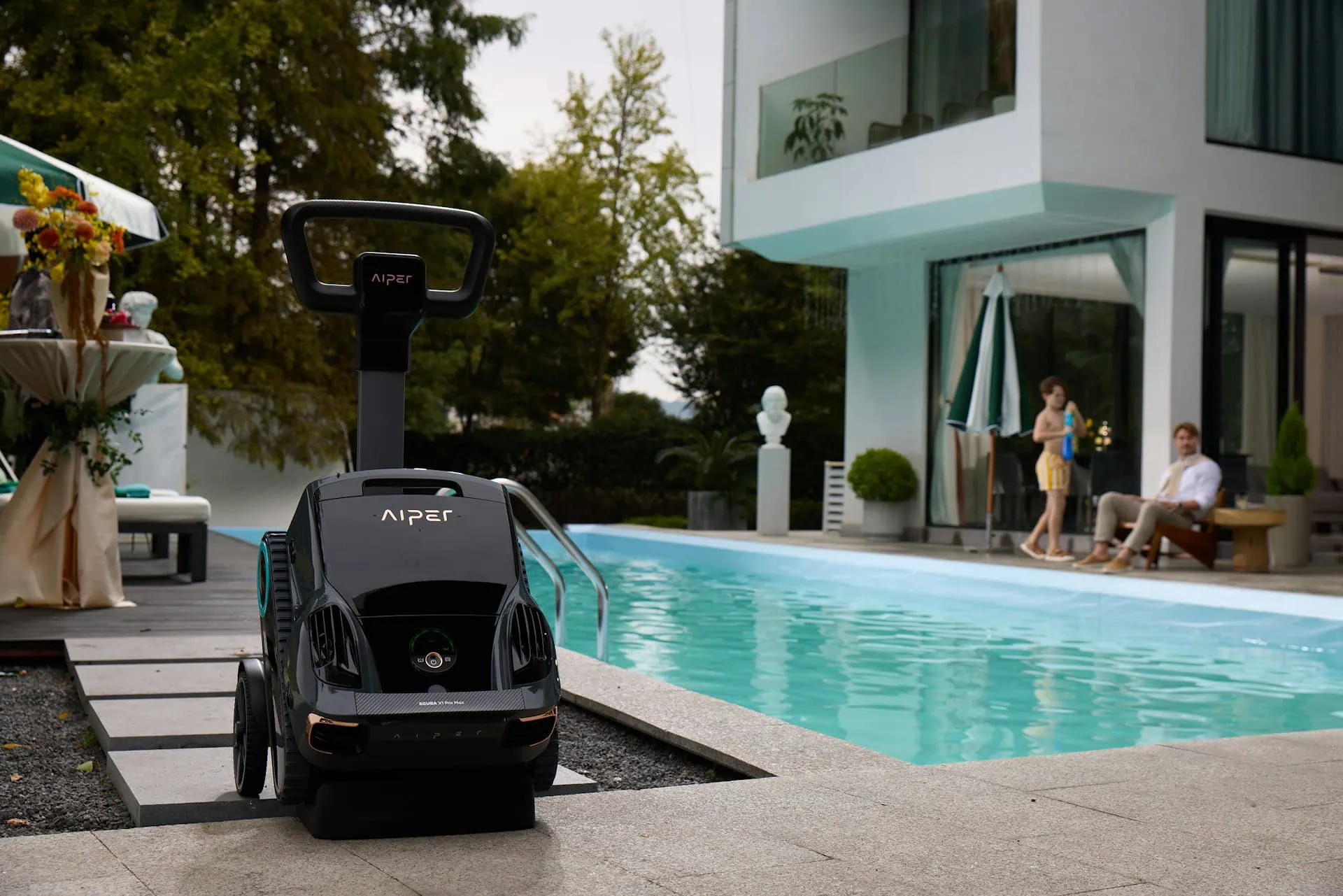
- Robotic cleaners, strong for fine particles and constant circulation support
For storm messes with lots of sand and silt on the bottom, manual or robotic options usually give the best results. When you vacuum, adjust:
- Speed, move the vacuum head slowly so you do not stir up clouds of dirt
- Valve positions, send more suction to the cleaner line when you need stronger pull
- Filter settings, use normal filtration for light work and consider waste mode for very dirty water
During peak storm months, many pools need vacuuming more often than usual. Commercial pools, with more swimmers and more debris from foot traffic, usually benefit from a tighter schedule than residential pools, sometimes needing vacuuming several times a week to stay clear and safe.
When to Call the Pros for Storm Season Pool Help
Sometimes, even with good habits, storm-season cleanup gets beyond normal care. It may be time to bring in a professional pool team if you notice:
- Cloudy water that will not clear, even after vacuuming and filtration
- Recurring algae blooms after every storm
- Filters that clog again and again or show poor pressure changes
- Stains or sand piles that never seem to go away
Professional pool vacuuming in Corpus Christi can include deeper debris removal, filter inspections, and careful water testing designed for our coastal conditions. A trained team can spot issues with circulation, equipment, or pool surfaces that might be easy to miss.
For many homeowners and property managers, routine service plans during storm season take a lot of stress out of pool care. Regular visits help prevent small storm problems from turning into bigger repairs, and keep pools more swim-ready from one weather system to the next.
Enjoy A Cleaner, Healthier Pool Without The Hassle
If you are tired of spending your weekends fighting debris and cloudy water, let our team handle the hard work for you. At Big Splash Pool Cleaning & Maintenance, we use professional tools and proven methods so your pool stays clear, safe, and ready to enjoy. Learn how our expert pool vacuuming in Corpus Christi can keep your water sparkling all season long. Reach out today to schedule service and get your pool back to looking its best.