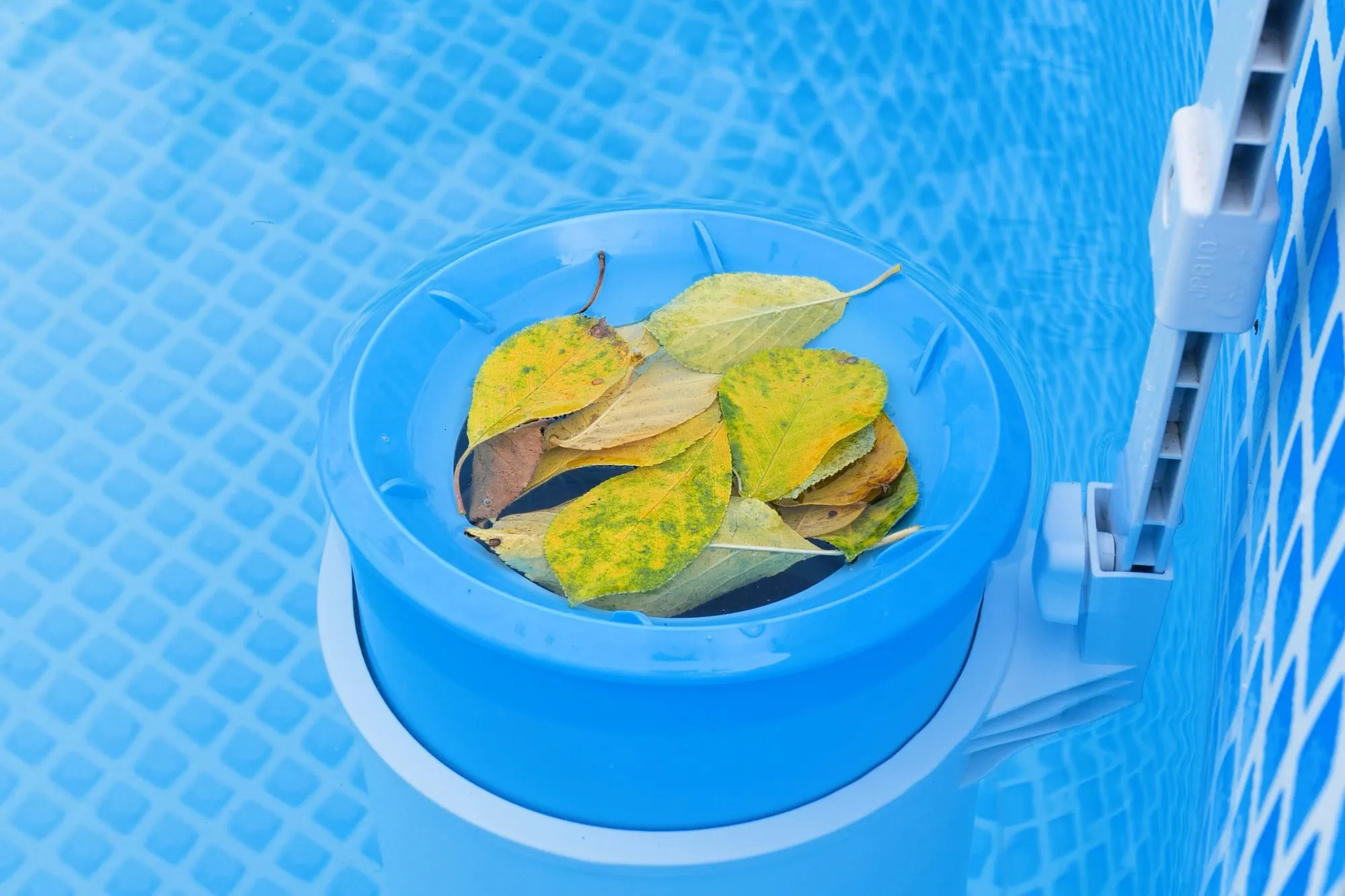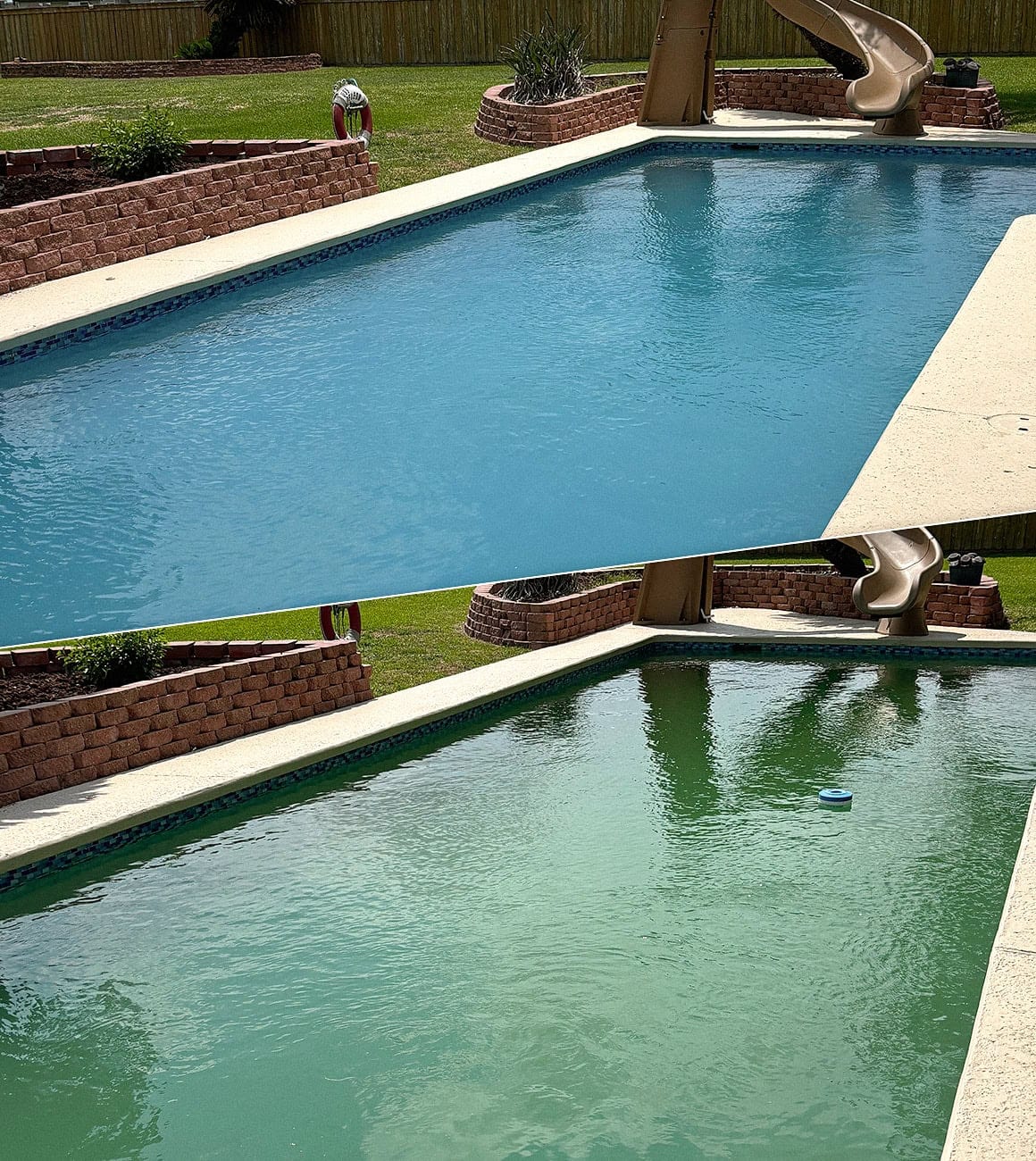
Keeping pool water clear means more than skimming a few leaves or adding chlorine. There’s a lot happening below the surface that keeps your pool clean. One of the biggest systems doing that work is the filter. Whether you have a backyard spot for weekend swims or a pool that gets daily use, how well that filter runs makes a huge difference. And when it comes to choosing or upgrading your filter, two types often come up: cartridge and sand.
Both do the same basic job, but they work in different ways. Each comes with its own set of upsides and tradeoffs. So which one is better for your pool? The answer depends on your setup. If you’re weighing your options or wondering if what you’re using now is really doing the trick, it helps to understand how both types work and what sets them apart.
How Pool Filters Work
No matter what kind of pool you have, the goal is always to keep the water clean and safe to swim in. That job mostly comes down to the filter. It works with your pump to move water in, trap debris, and cycle clean water back out into the pool.
Filters remove things you can see, like bugs and sand, and also things you can’t see like fine dirt or oils. When the water stays clean, your chemicals don’t have to work as hard. That cuts down on extra treatments and time spent fixing water problems.
There are a few kinds of filters out there, but the two most widely used are:
- Cartridge filters
- Sand filters
Both cover the basics well, but each handles things differently. Some are easier to clean while others may last longer or handle larger volumes of water. In a place like Corpus Christi, where hot summers make for long pool seasons, the right filter can save time and make upkeep a lot easier.
Pool Filter Cartridge: The Details
Cartridge filters look like cylinders filled with pleated fabric material. Water enters from the outside, passes through the fabric, and leaves debris behind as it goes. The pleats give more surface area to trap fine particles, which means cleaner water.
What makes cartridge filters popular:
- They’re easy to clean by simply spraying them off with a hose.
- They catch small debris like pollen and fine dirt.
- Rinsing them uses much less water than sand filters need for cleaning.
But they come with a few tradeoffs:
- Cartridges wear out faster and typically need changing every one to two years.
- If left uncleaned, they clog up, water flow drops, and pressure builds in the system.
- Initial installation costs are a bit higher than sand filters.
In Corpus Christi, one pool owner noticed cloudy water that wouldn’t clear after using chemicals. The issue turned out to be a dirty cartridge filter that hadn’t been rinsed in weeks. After a good cleaning, the water cleared up within a day. Maintenance clearly matters.
Cartridge filters are a strong option for small to mid-sized pools, especially when water use matters. For owners who want something that’s easy to handle and doesn’t waste water, cartridges are a great fit. But for heavy debris or large volumes, it helps to look at how sand filters compare.
Sand Filters: The Details
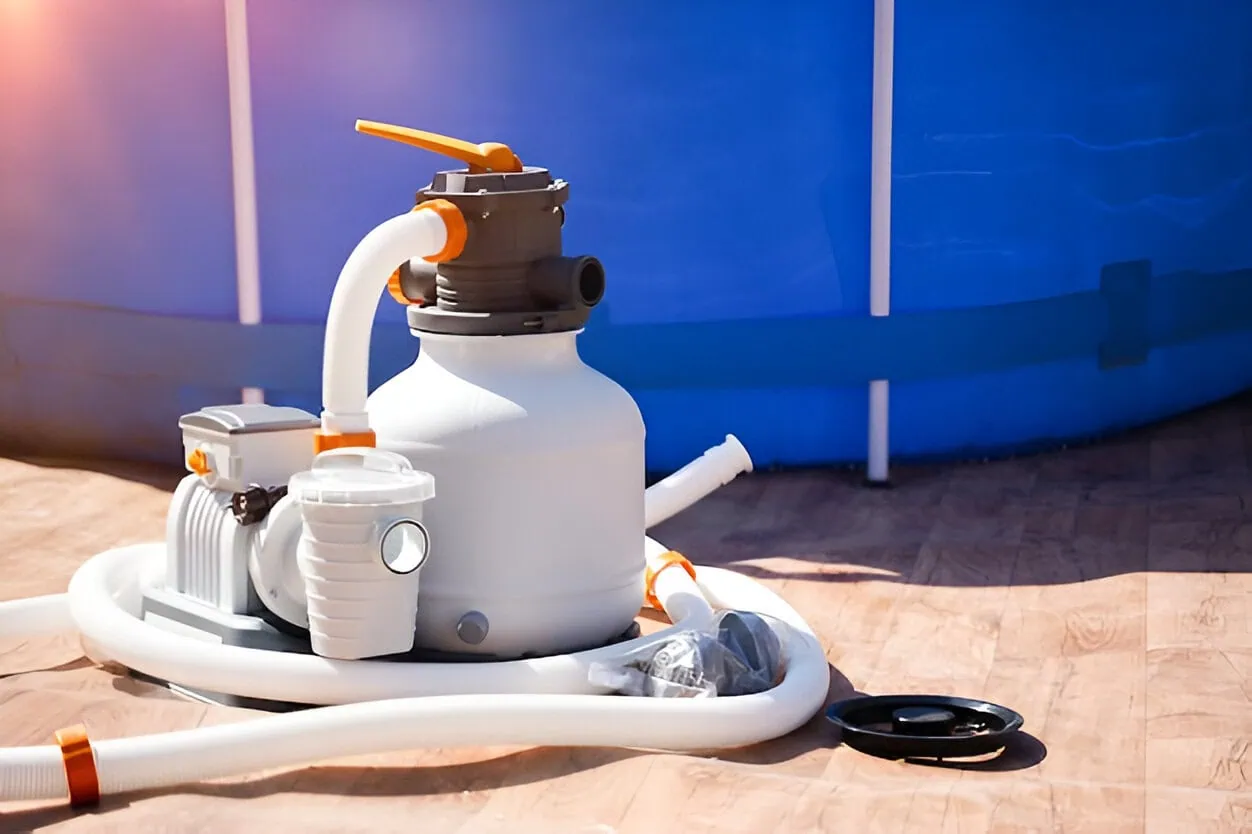
Sand filters have been used for years. They work by passing pool water through a tank filled with special sand. The sand catches the grime, and the clean water makes its way back to the pool. As the sand collects debris, you need to clean it by backwashing.
Here’s what attracts people to sand filters:
- They cost less upfront than cartridge systems.
- Their simple design is easy to work with and doesn’t have many parts to deal with.
- The sand lasts several years before it needs to be replaced.
But there are downsides to keep in mind:
- Backwashing uses a lot of water, which can be an issue if you’re trying to watch your water use.
- They don’t filter out smaller debris as well as cartridges do.
- You’ll need to watch the pressure and take more steps to keep the filter clean.
In Corpus Christi, sand filters are a solid choice thanks to their durability. Long swim seasons mean filters are running more often, and the sand inside can handle the workload. Still, the water used during backwashing can add up, especially when paired with a dry, hot climate. Some homeowners find the tradeoff worth it for the lifespan, while others prefer simpler cleanups.
How To Choose the Right Pool Filter
Choosing between a cartridge and sand filter comes down to what kind of pool you own and how hands-on you want to be with upkeep. A system that suits a part-time pool may not meet the needs of a pool that sees daily use. Here’s how to weigh your choices.
- Pool Size and Usage
- Bigger pools or ones used every day may benefit from sand filters that can handle heavier loads.
- Smaller pools, or those used now and then, will likely do fine with cartridge filters.
- Maintenance Habits
- Want something you can clean up quick? Cartridges are easier to rinse and reinstall.
- Sand filters can go longer without attention, but when they need cleaning, it’s a bit more involved.
- Water and Environment
- Corpus Christi pools deal with pollen, dust, and humidity, which can make water dirtier, faster.
- When water use matters, cartridge filters avoid the waste that comes with backwashing.
- Budget
- Sand filters usually cost less in the beginning.
- While cartridges might cost more upfront, they can save water, energy, and trouble down the line.
Both types work well, so it comes down to convenience and how much work you want to put in. Think about how often you use your pool and how much effort you’re willing to make for upkeep, and you’ll get a good idea of what fits best.
Keeping Your Pool Clean Long-Term
No filter runs forever without attention. Whether you choose a cartridge or sand system, regular pool filter maintenance keeps water clean and saves bigger problems from showing up later. A clogged filter strains your pump, pulls more power, and shortens system life.
In Corpus Christi, pools go through a lot. Between blowing sand, leaves, high temperatures, and long swimming seasons, filters have to work overtime. Occasional deep cleanings and routine checks can improve performance and keep your system in good shape. Clean filters mean easier chemical control, fewer surprises, and better swim conditions from spring through fall.
Homeowners who stay on top of filter care usually get more fun and fewer headaches. Having the right setup and staying consistent with cleaning keeps your pool swim-ready every day, whether it’s for Saturday barbecues or late-night dips under the lights.
Choosing the right filter and keeping it well-maintained can make all the difference in pool enjoyment. If you want your pool to stay clear and inviting, consider scheduling regular pool filter maintenance with Big Splash Pool & Maintenance. Our team is here to help you stay ahead of issues and keep your pool running smoothly all season long.